Importance of Fiber in Your Diet and How to Get More
Fiber is one of the most underrated nutrients, yet it plays a powerful role in maintaining overall health. Unlike other food components, fiber isn’t digested by the body but instead helps regulate digestion, support weight management, and improve long-term wellness. Take Lisa, a busy entrepreneur who often struggled with bloating and irregular digestion. After her doctor encouraged her to increase her fiber intake, she began adding whole grains, beans, and vegetables into her meals. Within weeks, she noticed improved energy, better digestion, and even healthier skin. Stories like Lisa’s highlight the true importance of fiber in your diet and how simple changes can provide lasting benefits.
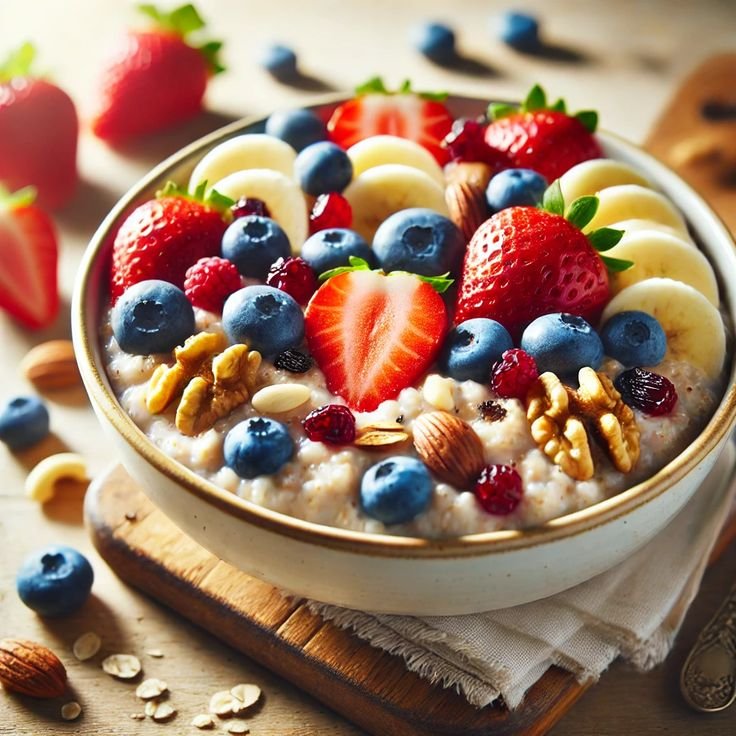
One of fiber’s most well-known benefits is supporting digestive health. It adds bulk to stool, making bowel movements easier and reducing constipation. Soluble fiber, found in foods like oats and apples, absorbs water and helps soften stool, while insoluble fiber, found in vegetables and whole grains, keeps things moving through the digestive tract. Together, these forms of fiber improve gut health and may lower the risk of conditions like diverticulitis. Practicing daily health habits like eating more fiber-rich foods can be an effective way to maintain a healthy digestive system without relying on supplements.
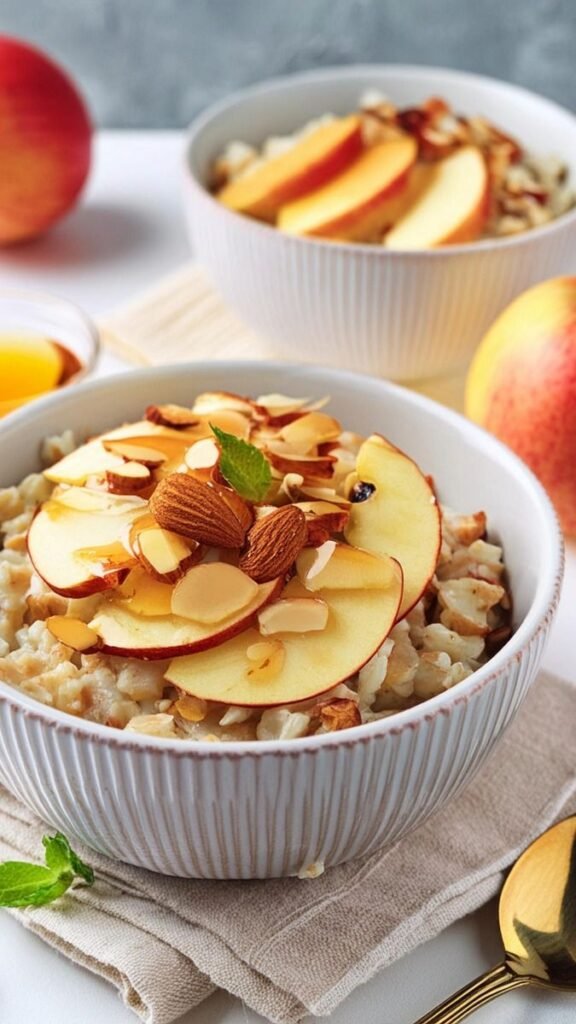
Fiber is also crucial for heart health and blood sugar control. Soluble fiber helps lower cholesterol by binding to it in the digestive system and removing it from the body. Meanwhile, fiber slows the absorption of sugar, preventing spikes in blood sugar levels. For people like Lisa, this meant more stable energy throughout the day without mid-afternoon crashes. Research shows that diets high in fiber are linked to lower risks of heart disease, type 2 diabetes, and obesity. These benefits make increasing fiber one of the simplest and most effective better health tips anyone can adopt.
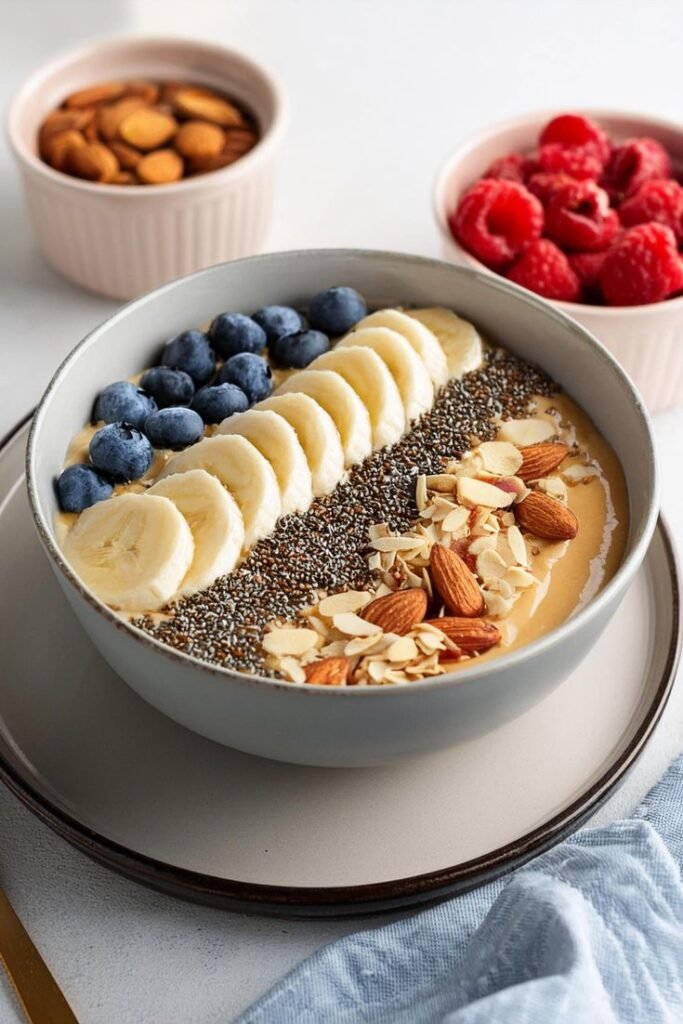
Another major advantage of fiber is its role in weight management and satiety. High-fiber foods are more filling and take longer to chew, which helps reduce overeating. A bowl of vegetable soup or a salad with beans and nuts keeps you satisfied longer than a processed snack, making it easier to manage calories naturally. Simple swaps like choosing whole wheat bread over white bread, or snacking on carrots instead of chips can significantly boost fiber intake while keeping meals enjoyable. These daily health habits prove that eating more fiber doesn’t have to feel restrictive.
In conclusion, the importance of fiber in your diet cannot be overstated. From better digestion and heart health to weight management and balanced energy, fiber provides a wide range of benefits. Just as Lisa experienced, small daily adjustments like adding more fruits, vegetables, beans, and whole grains can make a big difference. By focusing on these better health tips, you can easily increase your fiber intake and enjoy long-term improvements in health and vitality.
References
- Harvard T.H. Chan School of Public Health – Fiber and Health
- Mayo Clinic – Dietary Fiber: Essential for a Healthy Diet
- CDC – Fiber and Your Health
- Johns Hopkins Medicine – The Benefits of Fiber
- American Heart Association – Why Fiber Matters
- NIH – Dietary Fiber and Health Outcomes
- Cleveland Clinic – High-Fiber Diet Benefits
- Better Health Channel – Fibre in Food
- EatRight.org – Boosting Fiber Intake
- Verywell Fit – High-Fiber Foods and Benefits