engabouya.com

Author name: Eng Abouya

Fitness & Wellness

How to Stay Active Even with a Busy Schedule

How to Stay Active Even with a Busy Schedule In today’s fast-paced world, many people struggle to find time for exercise. Between work, family, and other responsibilities, staying active often feels like an impossible task. Yet physical activity is not only about fitness it’s also essential for maintaining energy, improving mood, and preventing long-term health issues. Sarah, a young lawyer working 60-hour weeks, once thought she had no time for exercise. By incorporating short walks, stretching breaks, and bodyweight workouts into her day, she discovered that even small efforts added up to significant improvements in her health and productivity. This essay explores simple strategies on how to stay active even with a busy schedule, proving that movement is possible for everyone. One of the best ways to maintain activity is to make use of short, intentional breaks. Instead of scrolling on your phone during downtime, try a 10-minute walk, a quick yoga stretch, or climbing stairs. Research shows that even short bursts of movement, known as “exercise snacks,” can improve cardiovascular health and increase daily calorie burn. For professionals tied to a desk, standing up once every hour to stretch or walk around the office helps counteract the negative effects of sitting. Parents can stay active by playing with their children, while students can add simple stretches between study sessions. These daily health habits demonstrate that exercise doesn’t always require a full hour at the gym it’s about building movement into the day. Another effective strategy is multitasking physical activity with existing routines. For instance, commuting by walking or biking instead of driving adds natural exercise. For those working remotely, short bodyweight exercises such as squats, push-ups, and planks can be done during breaks without equipment. John, a busy father of two, began doing push-ups before his morning shower and squats while dinner was cooking. Within three months, he noticed improved strength and better energy levels. These simple routines show that weaving activity into daily life is one of the most practical better health tips for busy people. Planning ahead is also crucial for consistency. Scheduling workouts like appointments ensures they don’t get overlooked. Many successful professionals block out time for morning walks or evening stretches, treating them as non-negotiable. Technology can help too fitness apps, smartwatches, or even simple calendar reminders encourage accountability. Another approach is adopting active hobbies, such as gardening, dancing, or hiking, which provide exercise while also being enjoyable. These choices transform physical activity from a chore into a sustainable lifestyle. In conclusion, staying active with a busy schedule is not only possible but also essential for long-term well-being. From short activity breaks and multitasking exercises to scheduled routines and active hobbies, there are countless ways to stay moving. Real-life examples like Sarah and John show how small, consistent actions can create lasting results. By adopting these daily health habits and integrating movement naturally into life, even the busiest individuals can achieve better health, more energy, and improved focus without sacrificing precious time. References 1.  Harvard Health Publishing – Walking: Your Steps to Health 2. American Heart Association – Walking vs. Running for Heart Health 3. Mayo Clinic – Walking for Fitness 4. Johns Hopkins Medicine – Benefits of Running 5. Cleveland Clinic – Is Walking or Running Better? 6. CDC – Physical Activity Guidelines for Adults 7. NIH – Exercise and Cardiovascular Health 8. Better Health Channel – Walking for Good Health 9. World Health Organization – Physical Activity Recommendations 10. Sleep Foundation – Exercise and Energy


Preventive Health & Everyday Care

First Aid Basics Everyone Should Know at Home

First Aid Basics Everyone Should Know at Home Accidents can happen at any time, and being prepared with basic first aid knowledge can make a critical difference. From minor cuts to unexpected falls, knowing how to respond before professional help arrives helps prevent complications and ensures safety. Consider David, a father of two, who once panicked when his child cut their finger while playing. After taking a community first aid class, David learned how to clean and bandage wounds, stay calm, and act quickly in emergencies. His story highlights the importance of understanding first aid basics everyone should know at home as part of healthy and safe living. One of the most important first aid skills is treating cuts, scrapes, and minor burns. Cleaning wounds with clean water, applying an antiseptic, and covering them with sterile bandages reduces the risk of infection. For burns, cooling the skin with cool (not ice-cold) water for 10–20 minutes helps limit damage. Having a stocked first aid kit at home ensures that supplies like gauze, adhesive tape, and antiseptic wipes are always within reach. These daily health habits make handling common injuries less stressful and more effective. Another vital area of first aid is knowing how to respond to choking, fainting, or breathing difficulties. Basic techniques like the Heimlich maneuver for choking or placing someone in the recovery position if they are unconscious but breathing can be lifesaving. Learning CPR (cardiopulmonary resuscitation) provides confidence in emergencies and may even save a loved one’s life before medical professionals arrive. David, for example, practiced CPR during training, giving him reassurance that he could act quickly if ever needed. Managing sprains, falls, and fever are also essential skills at home. Applying the R.I.C.E. method Rest, Ice, Compression, Elevation helps reduce swelling and pain after a minor injury. Keeping a thermometer and fever reducer in the medicine cabinet helps caregivers monitor and manage fevers responsibly. It’s equally important to know when to seek professional help—such as for severe bleeding, broken bones, chest pain, or allergic reactions. These better health tips ensure that first aid supports recovery without replacing medical care when needed. In conclusion, understanding first aid basics everyone should know at home empowers individuals to respond effectively in emergencies, protect loved ones, and stay calm under pressure. David’s story illustrates how simple training and preparation can build confidence and improve safety. By keeping a well-stocked first aid kit, learning essential techniques, and practicing daily health habits, families can create a safer home environment and be ready for unexpected situations year-round. References 1.    American Red Cross – First Aid Basics 2.    Mayo Clinic – First Aid Overview 3.    Johns Hopkins Medicine – First Aid Tips 4.    Cleveland Clinic – First Aid Basics Everyone Should Know 5.    St. John Ambulance – First Aid Advice 6.    MedlinePlus – First Aid Guide 7.    NHS UK – First Aid Health Advice 8.    Better Health Channel – First Aid 9.    American Heart Association – CPR & First Aid Training 10.   KidsHealth – First Aid Basics for Parents

Preventive Health & Everyday Care

Simple Hygiene Habits to Stay Healthy Year-Round

Simple Hygiene Habits to Stay Healthy Year-Round Good hygiene is the foundation of overall health. Simple practices like handwashing, oral care, and proper food handling may seem basic, but they significantly reduce the risk of infections and promote well-being in daily life. Take Maria, a college student who often caught seasonal colds. After she started paying closer attention to hygiene washing her hands more often, sanitizing her phone, and improving her sleep routine she noticed fewer sick days and more energy throughout the year. Her story proves that adopting simple hygiene habits to stay healthy year-round is an investment in long-term vitality. One of the most important hygiene practices is regular handwashing. Germs spread quickly through shared surfaces like door handles, keyboards, and phones. Washing hands with soap and water for at least 20 seconds before eating, after using the restroom, or after being in public places is one of the simplest daily health habits to prevent illness. Using hand sanitizer when soap is unavailable is also effective. For Maria, this habit reduced the frequency of colds during flu season and helped her focus more on her studies. Oral hygiene is another critical component of overall health. Brushing teeth twice daily, flossing, and scheduling regular dental checkups not only prevent cavities but also protect against gum disease, which has been linked to heart health. Similarly, personal cleanliness, such as bathing regularly, wearing clean clothes, and maintaining nail hygiene, keeps skin healthy and prevents the spread of bacteria. These better health tips require only a few minutes each day but provide long-lasting benefits. In addition, maintaining a clean environment supports hygiene efforts. Regularly disinfecting high-touch surfaces, washing bedding, and ensuring proper food hygiene like washing produce and cooking meat thoroughly reduce the risk of infections. Adequate sleep, balanced nutrition, and hydration also strengthen the body’s natural defenses, complementing hygiene practices. Maria began incorporating these habits into her routine, and over time, she developed a healthier lifestyle that kept her energized throughout the year. In conclusion, adopting simple hygiene habits to stay healthy year-round is about consistency, not complexity. Handwashing, oral care, personal cleanliness, and environmental hygiene all work together to reduce illness and boost well-being. Maria’s experience shows how small adjustments in daily routines can create lasting improvements in health. By practicing these daily health habits and applying better health tips, anyone can protect themselves, their families, and their communities from preventable illnesses all year long. References

Preventive Health & Everyday Care

How to Maintain Healthy Eyes in the Digital Age

How to Maintain Healthy Eyes in the Digital Age In today’s digital world, most people spend hours each day on computers, smartphones, and tablets. While technology has made life more convenient, it has also introduced new challenges for eye health. Emma, a freelance graphic designer, used to experience headaches, blurry vision, and dry eyes from working long hours at her computer. After consulting an optometrist, she adopted simple daily health habits such as the 20-20-20 rule and adjusting her screen settings. Within weeks, her discomfort decreased significantly. Stories like Emma’s highlight why learning how to maintain healthy eyes in the digital age is essential for long-term wellness. One of the best ways to protect your eyes is to practice the 20-20-20 rule: every 20 minutes, take a 20-second break and look at something 20 feet away. This helps relax the eye muscles and reduces digital eye strain. Adjusting screen brightness, font size, and contrast can also make reading more comfortable. For Emma, dimming her screen and using blue light filters at night reduced strain and improved sleep. These better health tips prove that even small adjustments to your digital routine can safeguard your vision. Another important habit is to stay hydrated and blink often. Many people blink less when staring at screens, leading to dry eyes. Drinking water regularly and using artificial tears, if necessary, can prevent irritation. Proper lighting is equally crucial avoid working in dark rooms with a bright screen, as this forces your eyes to work harder. Positioning your screen slightly below eye level also reduces neck and eye strain. By practicing these daily health habits, you can keep your eyes more comfortable throughout the day. Nutrition also plays a role in maintaining eye health. Foods rich in vitamin A, vitamin C, vitamin E, zinc, and omega-3 fatty acids such as carrots, spinach, salmon, and nuts support healthy vision and reduce the risk of long-term problems. Regular eye checkups and screenings are equally important, especially for people with family histories of vision conditions. Emma learned through her checkup that her mild nearsightedness was contributing to her discomfort; corrective lenses combined with better digital habits made a big difference. In conclusion, learning how to maintain healthy eyes in the digital age involves a combination of practical strategies: following the 20-20-20 rule, adjusting screen settings, staying hydrated, eating a nutrient-rich diet, and getting regular eye exams. Emma’s story shows how small daily adjustments can bring immediate relief and long-term benefits. By adopting these better health tips, you can protect your vision, reduce strain, and enjoy technology without sacrificing eye health. References

Preventive Health & Everyday Care

Importance of Regular Health Checkups and Screenings

Importance of Regular Health Checkups and Screenings Many people only visit the doctor when they feel unwell, but regular health checkups and screenings play a crucial role in preventing disease and protecting long-term well-being. Sarah, a 38-year-old teacher, used to skip her annual physicals due to a busy schedule. During a routine checkup, however, her doctor discovered high blood pressure early, allowing her to make lifestyle changes before it became more serious. Stories like Sarah’s highlight why prioritizing checkups is one of the most valuable daily health habits for maintaining health and longevity. Regular health checkups help with early detection of medical conditions. Many illnesses, such as diabetes, hypertension, or certain cancers, often develop silently with few noticeable symptoms. Routine screenings like blood tests, cholesterol checks, mammograms, or colonoscopies can detect issues before they escalate. This not only improves treatment success but also reduces long-term healthcare costs. By staying proactive rather than reactive, individuals can take charge of their health in meaningful ways. Another reason checkups are vital is that they provide an opportunity to review lifestyle habits with a healthcare professional. Doctors can assess weight, nutrition, sleep quality, stress levels, and other important factors that contribute to overall health. Personalized advice ensures that small issues, such as vitamin deficiencies or mild anxiety, are addressed before they worsen. For Sarah, this meant working with her doctor to build a heart-healthy diet and daily exercise routine changes that transformed her energy and confidence. Preventive care also fosters peace of mind and trust. Knowing that health markers are being monitored regularly reduces anxiety about “what might be wrong.” It also creates a partnership between patient and doctor, ensuring better guidance for vaccinations, reproductive health, or age-related concerns. In addition, regular screenings encourage accountability helping individuals stay on track with better health tips like quitting smoking, reducing sugar, or managing stress effectively. In conclusion, the importance of regular health checkups and screenings cannot be overstated. They allow for early detection, preventive care, and ongoing support in building healthier lifestyles. Just as Sarah’s experience shows, investing a small amount of time in regular doctor visits can yield major benefits for long-term health. By making checkups a priority and combining them with daily health habits, anyone can build a foundation of resilience, confidence, and better well-being. References

Preventive Health & Everyday Care

How to Strengthen Your Immune System Naturally

How to Strengthen Your Immune System Naturally A strong immune system is the body’s best defense against illness and infection. While no single food or habit can guarantee perfect health, adopting daily practices can naturally improve immune resilience over time. Take John, a corporate professional who often fell sick during seasonal changes. After adopting simple lifestyle changes like eating a nutrient-rich diet, exercising regularly, and practicing stress management, he noticed he caught fewer colds and recovered faster. John’s journey demonstrates that learning how to strengthen your immune system naturally is possible by focusing on long-term, sustainable daily health habits. One of the most effective ways to support immunity is through nutrition. Foods rich in vitamins and minerals such as vitamin C in citrus fruits, vitamin D in fortified foods, and zinc in nuts and seeds play a critical role in keeping immune cells functioning properly. Probiotics from yogurt or fermented foods also strengthen gut health, which is closely tied to immune defense. Instead of relying on supplements alone, focusing on a balanced diet full of whole foods provides a natural foundation for a healthier immune response. This shows that nutrition is not just about eating it’s about fueling the body’s defenses. Lifestyle habits also play an important role. Regular physical activity improves circulation, reduces inflammation, and allows immune cells to move efficiently throughout the body. Adequate sleep is equally essential, as the body repairs and regenerates immune cells during rest. John, for example, began prioritizing 7–8 hours of sleep each night, which improved both his energy and resistance to illness. These better health tips prove that small changes in routine can deliver significant immune benefits over time. Equally important is managing stress in healthy ways. Chronic stress produces cortisol, a hormone that weakens immune function. Practicing relaxation techniques such as meditation, deep breathing, or journaling can help maintain balance. Staying hydrated, practicing good hygiene, and limiting processed foods, alcohol, or smoking further enhance immune resilience. Together, these daily health habits create a lifestyle that supports overall well-being without extreme restrictions. In conclusion, learning how to strengthen your immune system naturally comes down to a combination of balanced nutrition, regular exercise, restorative sleep, and stress management. John’s story proves that consistency matters more than quick fixes. By practicing these better health tips, anyone can build a stronger immune defense and enjoy improved energy, faster recovery, and long-term vitality. Natural choices, made daily, are the most effective way to protect your health. References

Nutrition & Healthy Eating

Importance of Fiber in Your Diet and How to Get More

Importance of Fiber in Your Diet and How to Get More Fiber is one of the most underrated nutrients, yet it plays a powerful role in maintaining overall health. Unlike other food components, fiber isn’t digested by the body but instead helps regulate digestion, support weight management, and improve long-term wellness. Take Lisa, a busy entrepreneur who often struggled with bloating and irregular digestion. After her doctor encouraged her to increase her fiber intake, she began adding whole grains, beans, and vegetables into her meals. Within weeks, she noticed improved energy, better digestion, and even healthier skin. Stories like Lisa’s highlight the true importance of fiber in your diet and how simple changes can provide lasting benefits. One of fiber’s most well-known benefits is supporting digestive health. It adds bulk to stool, making bowel movements easier and reducing constipation. Soluble fiber, found in foods like oats and apples, absorbs water and helps soften stool, while insoluble fiber, found in vegetables and whole grains, keeps things moving through the digestive tract. Together, these forms of fiber improve gut health and may lower the risk of conditions like diverticulitis. Practicing daily health habits like eating more fiber-rich foods can be an effective way to maintain a healthy digestive system without relying on supplements. Fiber is also crucial for heart health and blood sugar control. Soluble fiber helps lower cholesterol by binding to it in the digestive system and removing it from the body. Meanwhile, fiber slows the absorption of sugar, preventing spikes in blood sugar levels. For people like Lisa, this meant more stable energy throughout the day without mid-afternoon crashes. Research shows that diets high in fiber are linked to lower risks of heart disease, type 2 diabetes, and obesity. These benefits make increasing fiber one of the simplest and most effective better health tips anyone can adopt. Another major advantage of fiber is its role in weight management and satiety. High-fiber foods are more filling and take longer to chew, which helps reduce overeating. A bowl of vegetable soup or a salad with beans and nuts keeps you satisfied longer than a processed snack, making it easier to manage calories naturally. Simple swaps like choosing whole wheat bread over white bread, or snacking on carrots instead of chips can significantly boost fiber intake while keeping meals enjoyable. These daily health habits prove that eating more fiber doesn’t have to feel restrictive. In conclusion, the importance of fiber in your diet cannot be overstated. From better digestion and heart health to weight management and balanced energy, fiber provides a wide range of benefits. Just as Lisa experienced, small daily adjustments like adding more fruits, vegetables, beans, and whole grains can make a big difference. By focusing on these better health tips, you can easily increase your fiber intake and enjoy long-term improvements in health and vitality. References

Nutrition & Healthy Eating

How to Cut Down on Sugar Without Feeling Deprived

How to Cut Down on Sugar Without Feeling Deprived Sugar is everywhere from breakfast cereals and energy bars to sauces and drinks. While a little sugar is fine, excessive intake is linked to weight gain, fatigue, and long-term health risks. Yet, the idea of cutting down on sugar often feels overwhelming because many people associate it with giving up their favorite foods. The truth is, with smart strategies, you can reduce sugar without feeling deprived. Take Daniel, a teacher who relied on sugary snacks to get through his day. Once he adopted small changes like switching soda for sparkling water and adding fruit for sweetness he discovered he had more energy and fewer cravings. His story highlights that making mindful adjustments is a daily health habit that improves well-being. The first step to cutting down on sugar is awareness. Reading food labels reveals how much hidden sugar is in common items, from flavored yogurts to condiments. Many foods marketed as “low-fat” or “healthy” actually contain added sugars. By choosing products with natural sweeteners or unsweetened versions, you can reduce sugar intake without sacrificing taste. For example, Daniel swapped flavored yogurt for plain Greek yogurt with fresh berries a small change that saved grams of sugar while still feeling satisfying. These mindful swaps are among the most effective better health tips for sustainable improvement. Next, focus on adding naturally sweet foods instead of relying on processed sugars. Fruits like bananas, apples, and dates not only satisfy cravings but also provide fiber, vitamins, and antioxidants. Smoothies, homemade trail mix, or baked apples with cinnamon can replace cookies or candy bars. Over time, your taste buds adjust, and the natural sweetness of whole foods becomes more enjoyable. Many people who cut back on added sugar notice reduced cravings within weeks, proving that daily health habits can re-train the palate and enhance long-term satisfaction. Another key strategy is balancing meals to stabilize blood sugar levels. Combining proteins, healthy fats, and fiber helps prevent energy crashes that often trigger sugar cravings. Instead of grabbing a candy bar in the afternoon, Daniel started keeping nuts, boiled eggs, or hummus with vegetables at hand. These choices gave him steady energy and reduced his reliance on sweets. Practicing portion control with desserts also helps enjoying a small piece of dark chocolate instead of a whole slice of cake provides enjoyment without overindulgence. In conclusion, cutting down on sugar doesn’t mean giving up enjoyment. By becoming label-savvy, incorporating naturally sweet foods, and balancing meals, you can reduce sugar intake while still feeling satisfied. Just like Daniel discovered, these better health tips improve energy, mood, and focus, making life more enjoyable not less. Over time, the habit of mindful sugar reduction becomes second nature, proving that healthy changes don’t have to feel restrictive. With these daily health habits, anyone can create a more balanced and sustainable approach to eating. References

Nutrition & Healthy Eating

Healthy Meal Prep Tips for Busy People

Healthy Meal Prep Tips for Busy People In today’s fast-paced world, many people struggle to eat healthy meals because of time constraints. Work, family, and responsibilities often push nutrition to the side, leading to reliance on takeout or processed foods. However, meal prepping the practice of preparing meals in advance offers a simple solution. Take James, a software engineer with little free time, who used to skip breakfast and rely on fast food for lunch. Once he committed to weekly meal prep, he not only saved money but also noticed better focus and higher energy. For busy individuals like James, adopting healthy meal prep tips is one of the most effective daily health habits for better well-being. The first key to successful meal prep is planning ahead. Start by mapping out meals for the week and making a shopping list. Choose recipes that include lean proteins, whole grains, and plenty of vegetables. Sticking to a plan helps prevent last-minute unhealthy choices and ensures balance. Many people find success with batch cooking—preparing larger portions of meals like stir-fries, soups, or grain bowls that can be portioned out for several days. This approach saves both time and stress, helping busy people stay consistent with better health tips. Another important strategy is keeping it simple. Meal prep doesn’t have to mean complicated gourmet dishes. Instead, focus on versatile ingredients like brown rice, roasted vegetables, chicken, beans, or tofu that can be mixed and matched throughout the week. For instance, James prepared grilled chicken on Sunday, which he used in salads, wraps, and stir-fries over the next few days. Storing meals in labeled, portion-sized containers also makes it easy to grab and go, reducing the temptation to choose fast food. These simple strategies turn meal prep into a sustainable lifestyle habit. Healthy meal prep is also about balance and variety. Including colorful fruits and vegetables ensures a wide range of nutrients, while adding healthy fats from avocados, nuts, or olive oil supports long-term energy. Snacks can be prepped, too cut vegetables, fruit slices, or homemade trail mix are great options to stay fueled during the day. Studies show that people who meal prep are more likely to maintain a balanced diet, avoid overeating, and even save money over time. By combining convenience with nutrition, daily health habits like meal prepping empower people to thrive despite busy schedules. In conclusion, meal prepping is a practical and powerful tool for busy people who want to eat healthier without sacrificing time. James’s experience proves that a little preparation can lead to better health, improved productivity, and reduced stress. By planning ahead, keeping recipes simple, and focusing on balance, anyone can turn meal prep into a weekly ritual that supports a healthier lifestyle. For those with packed schedules, these better health tips provide a path to sustained energy, wellness, and peace of mind. References

Nutrition & Healthy Eating

Benefits of Eating More Fruits and Vegetables Daily

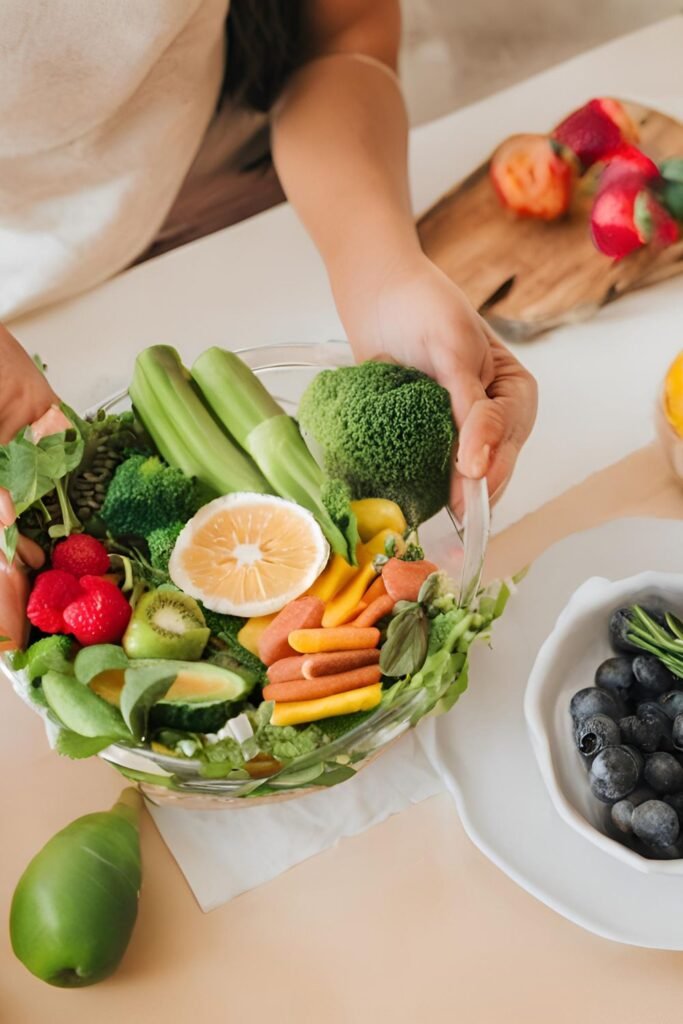
Benefits of Eating More Fruits and Vegetables Daily When it comes to building a healthier lifestyle, one of the simplest and most powerful habits is eating more fruits and vegetables every day. These foods are packed with essential vitamins, minerals, antioxidants, and fiber that support the body in countless ways. Sarah, a college student who struggled with fatigue, noticed dramatic improvements in her energy after she replaced processed snacks with apples, carrots, and leafy greens. Such changes highlight how incorporating produce into daily meals can improve both short-term vitality and long-term wellness. Understanding the benefits of eating more fruits and vegetables daily is key to adopting better health tips that last a lifetime. First, fruits and vegetables play a critical role in disease prevention. Research shows that diets high in produce reduce the risk of chronic illnesses like heart disease, type 2 diabetes, and certain cancers. Antioxidants found in colorful fruits like blueberries, oranges, and bell peppers help fight inflammation and protect cells from damage. For instance, Sarah’s father, who added more leafy greens and berries into his meals, saw improvements in his blood pressure levels. These examples show how simple daily health habits can deliver long-lasting benefits for overall health. Another important benefit is better digestion and weight management. Fruits and vegetables are naturally high in fiber, which promotes regular bowel movements, supports gut health, and helps with satiety. Instead of overeating processed foods, people feel fuller and more satisfied after meals rich in produce. Swapping sugary snacks for fruit or replacing refined carbs with vegetables can help maintain a healthy weight without strict diets. This practical approach allows busy individuals to practice better health tips effortlessly in their everyday lives. Fruits and vegetables also boost mental and emotional well-being. Studies suggest that people who consume more fresh produce report higher levels of happiness, reduced stress, and better focus. The natural compounds in foods like bananas, spinach, and citrus fruits can enhance brain function and mood. Sarah noticed that when she chose a banana or smoothie instead of fast food during stressful exam weeks, she stayed calmer and more productive. This connection between diet and mood reinforces the value of daily health habits that extend beyond physical health. In conclusion, increasing fruit and vegetable intake is one of the simplest yet most impactful steps toward better health. From disease prevention and improved digestion to enhanced mood and mental clarity, the benefits are wide-reaching. Just as Sarah and her family experienced, small daily changes such as adding an extra serving of vegetables to dinner or snacking on fruit can lead to major improvements over time. By committing to these better health tips, anyone can build a stronger, healthier, and more energized life. References

Scroll to Top