engabouya.com

Author name: Eng Abouya

Sleep & Stress Management

How to Improve Sleep Naturally Without Pills

How to Improve Sleep Naturally Without Pills Sleep is one of the most important factors for maintaining good health, yet millions of people struggle with insomnia or poor sleep quality. Instead of reaching for sleeping pills which may cause side effects or dependency many natural and science-backed strategies can help restore restful nights. Take Emma, a 35-year-old marketing professional, who often tossed and turned until she started adopting small lifestyle changes. By adjusting her evening routine, limiting screen time, and practicing relaxation techniques, she was able to enjoy deeper, more refreshing sleep. This essay explores natural ways to improve sleep without pills, offering better health tips that anyone can apply daily. One of the most effective strategies is creating a consistent sleep routine. Going to bed and waking up at the same time every day helps regulate the body’s internal clock, also known as the circadian rhythm. Adding calming pre-bedtime rituals such as reading, stretching, or listening to soft music can signal to the body that it’s time to rest. Another key factor is limiting screen exposure. Blue light from phones, tablets, and computers suppresses melatonin, the hormone that regulates sleep. Emma noticed significant improvement once she swapped late-night scrolling for 20 minutes of journaling. These small adjustments demonstrate how daily health habits play a huge role in sleep quality. Diet and hydration also influence sleep. Consuming caffeine or heavy meals late in the evening can interfere with rest, while certain foods such as bananas, almonds, and chamomile tea support relaxation. Staying hydrated during the day but reducing fluid intake before bedtime helps prevent middle-of-the-night awakenings. Research also shows that regular physical activity improves sleep, though it’s best to exercise earlier in the day to avoid overstimulation. Incorporating better health tips like balanced nutrition, moderate exercise, and mindful hydration can make sleep feel natural instead of forced. Relaxation techniques such as deep breathing, meditation, and progressive muscle relaxation are powerful natural tools for better sleep. Studies confirm that mindfulness practices reduce stress hormones that disrupt rest. Emma combined deep breathing with gratitude journaling at night and noticed her racing thoughts quiet down. In addition, optimizing the sleep environment is crucial keeping the bedroom cool, dark, and quiet encourages the body to settle into deeper stages of rest. Investing in supportive pillows and mattresses further enhances comfort and long-term sleep health. In conclusion, learning how to improve sleep naturally without pills requires a combination of consistency, lifestyle choices, and relaxation methods. From creating a calming bedtime routine and limiting blue light exposure to practicing breathing exercises and improving diet, these strategies support the body’s natural ability to rest. Real-life stories and research highlight that healthy, restorative sleep is possible without medication. By making these daily health habits part of your lifestyle, you can enjoy better energy, improved focus, and long-term well-being. References

Fitness & Wellness

Simple Breathing Exercises to Reduce Stress

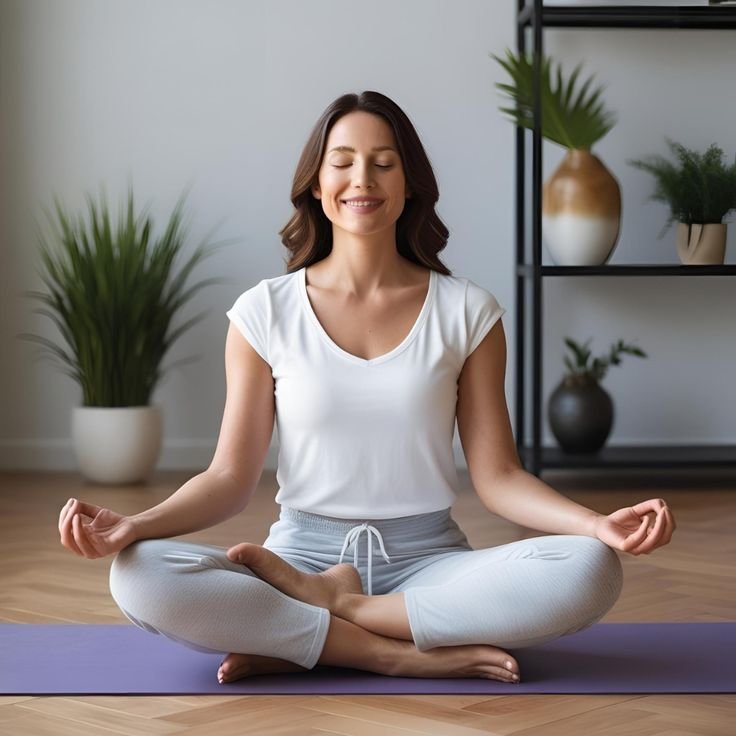
Simple Breathing Exercises to Reduce Stress In today’s fast-paced world, stress has become part of daily life, affecting focus, sleep, and overall health. While many people turn to coffee, screens, or even unhealthy snacks for relief, one of the most effective solutions is right under our noses: breathing. Deep, mindful breathing activates the body’s relaxation response, reducing stress and improving mental clarity. Consider James, a college student who often felt anxious before exams. After practicing a few simple breathing exercises, he noticed his heart rate slowing down and his focus improving. This essay explores simple breathing exercises to reduce stress, showing how small daily practices can support better mental and physical health. One effective method is deep belly breathing, also known as diaphragmatic breathing. To practice, sit comfortably, place one hand on your chest and the other on your belly, and inhale deeply so that the belly rises. Exhale slowly, letting the belly fall. This exercise calms the nervous system and is often used in meditation and yoga. Another popular technique is the 4-7-8 method, where you inhale through the nose for four seconds, hold your breath for seven seconds, and exhale through the mouth for eight seconds. Studies have shown that this technique reduces anxiety, lowers blood pressure, and promotes better sleep, making it one of the most practical daily health habits for stress relief. For quick stress management during a busy day, the box breathing method is highly effective. Often used by athletes and even the military, this method involves inhaling for four counts, holding for four, exhaling for four, and holding again for four before repeating. Sarah, a nurse working long shifts, used box breathing during short breaks and reported feeling calmer and more focused, even on hectic days. Another helpful exercise is alternate nostril breathing, a traditional practice in yoga that balances both sides of the brain and improves mental clarity. These methods don’t require equipment, can be done anywhere, and take only a few minutes, proving that stress relief can be both simple and accessible. The benefits of breathing exercises go beyond immediate relaxation. Research from Harvard Medical School and the National Institutes of Health confirms that regular practice helps regulate the body’s stress hormones, improves heart rate variability, and enhances emotional resilience. Incorporating breathing into daily routines such as practicing deep breaths before meetings, exams, or bedtime creates long-term improvements in mental well-being. For people dealing with chronic stress, pairing breathing exercises with other better health tips like regular movement, hydration, and mindfulness can create a strong foundation for overall wellness. In conclusion, breathing exercises are simple yet powerful tools for reducing stress and improving well-being. From deep belly breathing and the 4-7-8 method to box breathing and alternate nostril breathing, these techniques are accessible to anyone, regardless of age or lifestyle. Real-life stories like James’s exam success and Sarah’s workplace calm show that these practices work in everyday life. By making these daily health habits part of your routine, you can enjoy greater calm, focus, and resilience without needing pills, equipment, or large amounts of time. References

Fitness & Wellness

Walking vs. Running: Which Is Better for Your Health?

Walking vs. Running: Which Is Better for Your Health? When it comes to exercise, walking and running are two of the most popular choices, but many people wonder which is better for their health. Both activities require no equipment, can be done almost anywhere, and provide significant benefits for the body and mind. Choosing between the two often depends on personal goals, fitness levels, and lifestyle. Take Maria, a 42-year-old teacher who started walking daily to manage stress, and David, a 29-year-old runner training for a marathon. Both improved their health in different ways Maria saw better mood and reduced blood pressure, while David improved endurance and cardiovascular strength. This essay compares the benefits of walking vs. running and offers better health tips for choosing the right option. Walking is often seen as a gentler form of exercise, making it ideal for beginners, older adults, or those recovering from injuries. Studies show that brisk walking for at least 30 minutes a day can reduce the risk of heart disease, improve bone strength, and support weight management. It’s also low-impact, meaning it places less stress on the joints compared to running. For busy professionals, walking during lunch breaks or after dinner can easily become part of their daily health habits without requiring extra preparation. In fact, Harvard research highlights that consistent walking lowers the risk of high blood pressure, diabetes, and even depression. Running, on the other hand, provides a more intense cardiovascular workout. It burns more calories per minute than walking, making it a time-efficient option for weight loss and fitness improvements. Runners often experience increased lung capacity, stronger bones, and improved endurance. However, because it’s high-impact, running can increase the risk of joint injuries if not balanced with proper technique and recovery. David’s story demonstrates this: while he gained stamina through regular running, he had to manage occasional knee discomfort by adding stretching and strength training. For those with limited time, running may deliver quicker fitness results compared to walking. Interestingly, both walking and running share similar long-term health benefits. Research published by the American Heart Association suggests that when matched for energy expenditure, walking and running reduce the risk of heart disease, high cholesterol, and type 2 diabetes at similar levels. The choice, therefore, depends more on preference, consistency, and sustainability. Maria’s success with walking shows that even gentle exercise can transform health, while David’s journey highlights how running supports performance goals. The key takeaway is that staying active whether through walking or running matters more than the activity itself. In conclusion, the question of walking vs. running doesn’t have a one-size-fits-all answer. Walking is low-impact and accessible, while running is higher intensity and time-efficient. Both offer powerful health benefits and can be adapted to individual needs. Real-life stories and research confirm that the best exercise is the one you enjoy and can sustain consistently. By incorporating either walking or running into your daily health habits, you can improve physical fitness, mental well-being, and long-term health. References

Fitness & Wellness

Best Stretches for People Who Sit All Day at Work

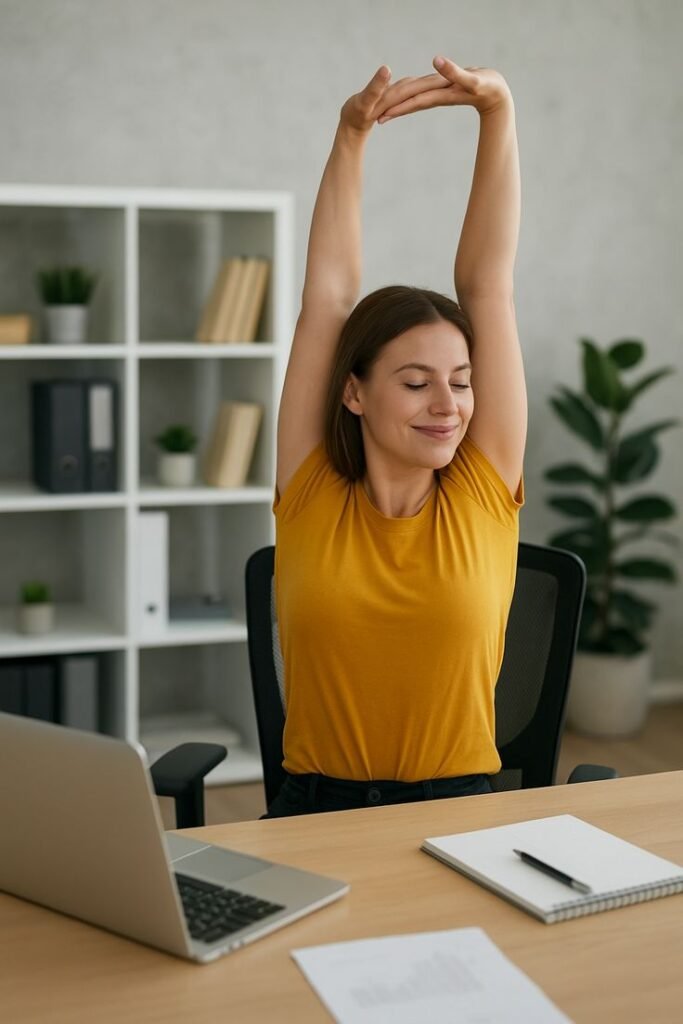
Best Stretches for People Who Sit All Day at Work Sitting for long hours has become a common part of modern life, especially for office workers, students, and remote employees. While sitting may seem harmless, research shows it can lead to poor posture, stiff muscles, back pain, and even long-term health problems if not addressed. Take Emily, a 29-year-old graphic designer, who spent over eight hours daily at her desk and began experiencing chronic lower back pain. After incorporating simple stretches into her day, she noticed improved flexibility, reduced pain, and better focus at work. This essay explores some of the best stretches for people who sit all day at work, showing how small daily health habits can make a big difference. One of the most effective stretches for seated workers is the hip flexor stretch. Sitting tightens the hip muscles, often leading to discomfort in the lower back. Standing and gently lunging forward with one leg while keeping the other behind helps open the hips and counteracts prolonged sitting. Another key stretch is the chest opener, which involves clasping the hands behind the back and lifting slightly to release tension caused by hunching over computers. Experts at Harvard Health confirm that regularly stretching these areas improves circulation and posture. For quick relief at the desk, a seated spinal twist can also be done without leaving the chair simply sitting tall, placing one hand on the opposite knee, and gently twisting the torso. Targeting the neck and shoulders is equally important since screen time often causes tightness in these areas. A neck stretch, tilting the head slowly from side to side, relieves stiffness and reduces tension headaches. The shoulder roll, rotating the shoulders backward and forward, loosens muscles that often become tight from typing. Case studies show that just two to three minutes of these movements every hour can prevent the “tech neck” posture that many office workers develop. Adding a hamstring stretch, such as reaching toward the toes while standing, can also reduce pressure on the lower back and increase flexibility. These stretches not only improve comfort but also support long-term spinal health. For those seeking a short daily routine, combining three to five stretches in a sequence is highly effective. For example, Emily adopted a mid-morning and mid-afternoon stretch break that included hip flexor stretches, chest openers, spinal twists, and hamstring stretches. Within weeks, she reported fewer backaches and more energy during her workday. Workplaces are beginning to encourage such habits; some companies even provide stretch breaks as part of wellness programs. These better health tips show that simple, no-cost strategies can improve productivity and overall well-being. In conclusion, sitting all day doesn’t have to harm your body if you make stretching a regular part of your routine. From hip flexor stretches and chest openers to neck rolls and hamstring stretches, these movements counteract the negative effects of prolonged sitting. Real-life stories like Emily’s highlight how effective these daily health habits can be. By taking just a few minutes each day to stretch, workers can improve flexibility, reduce pain, and boost focus, proving that small, consistent actions lead to better long-term health. References 1. Harvard Health Publishing – Stretching: Focus on Flexibility 2. Mayo Clinic – Office Stretches to Prevent Stiffness 3. Cleveland Clinic – Why Stretching Is Important 4. American Heart Association – Move More, Sit Less 5. CDC – Physical Activity and Sedentary Behavior 6. Johns Hopkins Medicine – Neck and Back Pain Prevention 7. NIH – Benefits of Stretching Exercises 8. Better Health Channel – Sitting and Your Health 9. World Health Organization – Physical Activity Recommendations 10. Sleep Foundation – Movement and Energy Levels

Fitness & Wellness

How to Start Exercising at Home Without Equipment

How to Start Exercising at Home Without Equipment Exercising at home has become more popular than ever, not only because it saves time and money but also because it allows flexibility in busy lives. Many people assume that they need expensive gym memberships or heavy equipment to get fit, but the truth is that bodyweight exercises can be just as effective for building strength, improving flexibility, and boosting cardiovascular health. Take Mark, a 38-year-old software engineer who struggled with weight gain during long hours of remote work. He started a simple home routine push-ups, squats, and planks and within three months, he noticed improved energy, better posture, and weight loss without stepping into a gym. This essay explores how anyone can begin exercising at home without equipment by focusing on consistency, creativity, and daily health habits. The first step in creating a home exercise routine is starting small and setting realistic goals. Beginners often give up when they attempt advanced workouts too quickly, but building strength and endurance gradually ensures long-term success. A simple 20-minute session that combines push-ups, squats, lunges, and planks is enough to engage major muscle groups. Over time, you can add variations like incline push-ups, jump squats, or side planks for progression. Research confirms that bodyweight exercises not only improve muscle tone but also support joint health and bone strength. For beginners, even ten minutes of daily movement can make a noticeable difference in energy levels, mood, and productivity, making it one of the best better health tips to start with. Another essential element is creating a supportive environment at home. Setting aside a small space for workouts helps reinforce consistency, whether it’s a corner of the living room, bedroom, or backyard. Many people, like Sarah a busy mother of two find success by exercising in short bursts throughout the day. She started doing squats while waiting for her coffee to brew and stretching while watching TV. Small habits like these demonstrate that exercise doesn’t always require a dedicated gym session; rather, weaving movement into your daily routine builds momentum. Additionally, free online resources, such as guided workout videos or fitness apps, provide structure and motivation without extra costs. These tools make exercising at home more engaging and adaptable to all fitness levels. Consistency is the backbone of fitness progress, and tracking small wins can help build confidence. Keeping a journal or using fitness apps to log repetitions, sets, and time spent exercising motivates people to stay on track. John, who had never been consistent with fitness, began noting his plank times daily; seeing his improvement from 20 seconds to two minutes in just weeks encouraged him to keep going. To avoid burnout, it’s important to combine variety alternating between strength, cardio, and flexibility exercises. Jumping jacks, burpees, mountain climbers, and yoga stretches are all equipment-free options that keep workouts fun and effective. Experts also recommend scheduling workouts at the same time each day to establish rhythm and routine. In conclusion, starting an exercise routine at home without equipment is not only simple but also highly effective when approached with the right mindset. From push-ups and squats to stretching and short cardio bursts, these daily health habits can transform energy, mood, and long-term fitness. Real-life examples like Mark, Sarah, and John show that progress doesn’t require a gym just consistency, creativity, and determination. By adopting these better health tips, anyone can improve their physical and mental well-being, proving that fitness is possible anywhere, anytime, without expensive gear. Reference

Healthy Lifestyle Guides

7 Healthy Snack Ideas You Can Make in Minutes

7 Healthy Snack Ideas You Can Make in Minutes In today’s busy world, snacks have become an important part of everyday eating, yet many people struggle to find quick options that are both convenient and healthy. Instead of reaching for chips, cookies, or sugary drinks, choosing nutrient-rich snacks can provide lasting energy, curb hunger, and support overall well-being. Take Anna, a university student, who used to rely on vending machine candy bars between classes. After switching to healthier options like fruit with nut butter or yogurt with berries, she not only improved her focus but also avoided the afternoon sugar crashes. This essay highlights seven healthy snack ideas that can be prepared in minutes, proving that eating well doesn’t have to be complicated. The first quick option is fruit paired with protein, such as an apple with almond butter or banana with peanut butter. These snacks balance natural sugars with healthy fats and proteins, keeping blood sugar levels steady. Another simple favorite is Greek yogurt topped with berries and a sprinkle of granola, which provides calcium, probiotics, and antioxidants in one bowl. Case studies in nutrition show that combining macronutrients protein, fiber, and healthy fats creates more satisfying snacks than carbs alone. For busy workers, a handful of mixed nuts with dried fruit is an excellent portable option. Nuts are packed with heart-healthy fats, while dried fruit adds natural sweetness without refined sugar. Vegetable-based snacks are another powerful choice. Carrot sticks, cucumber slices, or bell pepper strips paired with hummus create a colorful, crunchy, and satisfying treat. For those craving something savory, whole-grain crackers with avocado or cottage cheese deliver fiber and protein. John, a father of three, started preparing hummus and veggie cups on Sundays for the whole week; he found it not only saved time but also encouraged his children to snack healthier. Similarly, hard-boiled eggs, prepared in advance, make a protein-rich snack ready in under ten minutes. These easy swaps help people build better health habits while staying full and energized between meals. For sweet cravings, smoothies made with fruits, leafy greens, and milk or plant-based alternatives are a quick, nutrient-dense option. Adding a spoonful of chia seeds or flaxseeds boosts fiber and omega-3 fatty acids. Another idea is overnight oats, which can be prepared the night before and flavored with cinnamon, nuts, or fresh fruit for a satisfying snack at any time of day. These are not just recipes but better health tips that make healthy eating enjoyable. Studies show that people who prepare simple snacks ahead of time are less likely to reach for processed foods, which often contain excess sugar, salt, and unhealthy fats. In conclusion, healthy snacking doesn’t have to take much time or effort. From fruit with nut butter, yogurt parfaits, and veggie sticks with hummus to smoothies, oats, and portable nut mixes, there are countless ways to satisfy hunger while supporting long-term wellness. Real-life stories, like Anna’s improved focus and John’s family-friendly snack prep, show that these small choices can lead to better energy, mood, and overall health. By making these daily health habits part of your routine, you can enjoy delicious, convenient snacks that fuel both body and mind without guilt or stress. References

Healthy Lifestyle Guides

Easy Ways to Stay Hydrated Throughout the Day

Easy Ways to Stay Hydrated Throughout the Day Water is the foundation of life, yet many people underestimate the importance of daily hydration. Dehydration can cause fatigue, headaches, poor concentration, and even impact long-term health. The good news is that staying hydrated doesn’t require drastic changes it’s about creating small habits that keep your body nourished with fluids consistently. For example, Lisa, a nurse who worked long shifts, often relied on coffee and soft drinks to get through her day, leaving her constantly tired. When she committed to drinking water first thing in the morning, carrying a reusable bottle, and adding fruits for flavor, she noticed higher energy levels and fewer headaches. This essay explores easy, practical ways to stay hydrated throughout the day, highlighting why it’s one of the simplest daily health habits for better well-being. The first and most effective step to better hydration is starting the day with water. After six to eight hours of sleep, the body naturally loses fluids, so drinking a glass of water upon waking helps replenish and prepare the body for the day ahead. Carrying a reusable water bottle is another simple yet powerful strategy. Case studies show that people who keep water accessible are far more likely to meet hydration goals. For instance, an office worker who placed a water bottle on her desk not only drank more but also felt less inclined to snack unnecessarily. To make hydration enjoyable, infuse water with natural flavors such as lemon, cucumber, or berries. These small additions provide variety and encourage consistent sipping, especially for people who dislike plain water. Hydration isn’t just about what you drink; it also comes from the food you eat. Fruits and vegetables such as watermelon, cucumber, oranges, and celery contain high water content and contribute significantly to fluid intake. A balanced diet that includes these foods supports hydration naturally while adding essential vitamins and minerals. Sports and energy drinks are often marketed as hydration boosters, but for most people, water and water-rich foods are sufficient. Choosing water over sugary sodas or excessive caffeine is one of the best better health tips since it avoids empty calories while supporting energy and focus. In fact, research shows that replacing just one sugary beverage per day with water can reduce calorie intake and lower the risk of obesity. Mindful routines can also make hydration effortless. Setting reminders on your phone, using water-tracking apps, or aligning water breaks with daily tasks like drinking a glass before meals or during short work breaks helps turn hydration into a habit. John, a software developer, used to experience afternoon crashes until he set a reminder to drink water every hour. Within weeks, he noticed increased productivity and fewer headaches. It’s also important to adjust hydration to your lifestyle; athletes, people living in hot climates, or those with physically demanding jobs often need more fluids than the average recommendation of about 2–3 liters daily. Listening to your body’s cues, such as thirst, dark-colored urine, or dry skin, is essential in maintaining hydration balance. In conclusion, staying hydrated throughout the day is one of the easiest yet most impactful daily health habits. From starting mornings with water and carrying a reusable bottle to eating water-rich foods and setting reminders, these simple strategies make hydration natural and sustainable. Real-life examples like Lisa and John prove that small changes can lead to noticeable improvements in energy, focus, and overall health. By applying these better health tips, anyone can create a lifestyle where hydration supports not only physical well-being but also productivity and long-term vitality. References 1. Mayo Clinic – Water: How Much Should You Drink Every Day? 2. CDC – Water and Nutrition 3. Harvard T.H. Chan School of Public Health – The Importance of Hydration 4. NIH – Hydration and Health Outcomes 5. Cleveland Clinic – Signs You’re Not Drinking Enough Water 6. Sleep Foundation – Hydration and Sleep Quality 7. Better Health Channel – The Role of Fluids in the Diet 8. American Heart Association – Healthy Beverage Recommendations 9. Johns Hopkins Medicine – Tips for Staying Hydrated 10. World Health Organization – Hydration and Public Health

Healthy Lifestyle Guides

How to Create a Healthy Morning Routine That Boosts Energy

How to Create a Healthy Morning Routine That Boosts Energy Mornings set the tone for the rest of the day. A rushed start filled with stress, skipped meals, or scrolling through social media often leaves people feeling drained and unmotivated. On the other hand, a healthy morning routine can create energy, focus, and resilience to handle daily challenges. Consider Laura, a young professional who struggled with fatigue and constant burnout. After rethinking her mornings waking earlier, drinking water first thing, stretching, and eating a balanced breakfast she noticed her productivity increase and her stress levels drop. Building a healthy morning routine doesn’t require dramatic changes; instead, it’s about small, intentional actions that signal to your body and mind that you’re ready to thrive. The first step in any energizing morning is hydration. After hours of sleep, the body is mildly dehydrated, and drinking water immediately helps rehydrate cells, improve digestion, and boost alertness. Pairing this with light physical activity such as yoga, walking, or simple stretches wakes up the muscles and improves circulation. Studies show that just ten minutes of morning movement can increase energy and reduce stress throughout the day. Nutrition also plays a central role. Instead of relying on coffee alone, a balanced breakfast that includes protein, whole grains, and fruits fuels the body and stabilizes blood sugar levels. For example, Sarah, a university student, swapped her sugary cereal for oatmeal with berries and nuts, and she reported greater focus during lectures. These are simple, better health tips anyone can adopt into their routine. Equally important are mental health practices that set a positive mindset. Many successful people start their mornings with mindfulness activities such as journaling, meditation, or gratitude exercises. Taking even five minutes to reflect or breathe deeply can calm the nervous system and prepare the mind for a focused day. Case studies from workplace wellness programs reveal that employees who practiced morning mindfulness were more resilient to stress and better at problem-solving. Avoiding digital distractions is another powerful habit. Checking emails or social media upon waking often triggers stress and comparison, while a phone-free first hour encourages clarity and intentional living. These daily health habits help protect mental energy, which is as important as physical stamina. Consistency is the backbone of a successful morning routine. Going to bed at a consistent time, preparing clothes or meals the night before, and setting realistic goals for the morning can make healthy habits stick. John, a father of two, found that prepping breakfast ingredients and laying out his workout clothes at night made it easier to commit to exercise and family meals in the morning. Preventive health experts also note that consistent routines regulate circadian rhythms, improving both sleep quality and daytime energy. Even if mornings are busy, dedicating 20–30 minutes to hydration, movement, mindfulness, and nutrition can yield remarkable improvements in well-being. Over time, these small steps become second nature, transforming mornings from rushed chaos into intentional rituals. In conclusion, creating a healthy morning routine that boosts energy is about blending physical, mental, and emotional practices into a consistent flow. From rehydrating after sleep and fueling your body with nutritious foods to practicing mindfulness and avoiding distractions, these habits help build a foundation of health that lasts throughout the day. Real-life stories of people like Laura, Sarah, and John prove that when mornings are aligned with better health tips, energy levels rise, stress decreases, and productivity soars. A morning routine doesn’t have to be complicated; it simply needs to be intentional. With consistent practice, anyone can turn mornings into a daily ritual that fuels success and long-term well-being. References
Healthy Lifestyle Guides

A Beginner’s Guide to Eating Balanced Meals Every Day

A Beginner’s Guide to Eating Balanced Meals Every Day Healthy eating often feels overwhelming because of the endless advice, trending diets, and conflicting messages about what is “good” or “bad” for you. Yet, the truth is that you don’t need a complex plan to eat well; instead, focusing on balanced meals can give your body the nutrients it needs while keeping your diet flexible and enjoyable. Balanced meals are those that include the right mix of macronutrients carbohydrates, proteins, and fats alongside essential vitamins and minerals from whole foods. Take Sarah, a busy university student who often skipped breakfast or ate only fast food. By learning to prepare balanced plates like oatmeal with fruit and nuts in the morning, chicken with vegetables and rice at lunch, and salmon with sweet potatoes at dinner she noticed more energy, clearer skin, and better concentration in her studies. This essay offers a beginner’s guide to eating balanced meals daily, showing how small changes can lead to better long-term health. One of the most effective daily health habits is learning the “plate method,” which divides a plate into half vegetables and fruits, a quarter whole grains, and a quarter lean protein. This simple visual tool ensures meals are nutrient-dense and prevents overeating. For instance, instead of grabbing a cheeseburger and fries, imagine a plate with grilled chicken, brown rice, and a large portion of sautéed vegetables. Over time, this habit reduces the risk of obesity, heart disease, and type 2 diabetes. Hydration also plays a vital role in balanced eating. Many confuse thirst for hunger, which leads to unnecessary snacking. By drinking water regularly and limiting sugary drinks, you can support digestion and energy without extra calories. Case studies from nutrition programs show that people who replaced soda with water or unsweetened tea reduced calorie intake significantly while improving hydration and weight control. Balanced meals also depend on portion control and mindful eating. In modern society, large restaurant servings and processed snacks distort our understanding of normal portions. Mindful eating means slowing down, paying attention to flavors, and recognizing when you’re satisfied rather than stuffed. For example, John, a 35-year-old office worker, adopted a simple practice of eating without distractions like TV or his phone. Within a month, he noticed he naturally ate less, lost weight, and enjoyed food more. Pairing this with healthier swaps like choosing whole-grain bread over white bread or snacking on fruit instead of chips makes balanced eating both practical and sustainable. These are better health tips anyone can apply, regardless of age or busy schedules. Meal planning and preparation are other keys to success. A beginner may feel eating balanced meals daily is expensive or time-consuming, but planning ahead actually saves time and money. Cooking larger portions at dinner and using leftovers for lunch, preparing overnight oats for breakfast, or chopping vegetables in advance can ensure healthy food is always within reach. Real-life evidence shows that people who plan their meals are less likely to rely on fast food or unhealthy snacks during busy days. Preventive health experts also note that meal planning improves nutrition quality since people make better choices when they’re not rushed. Additionally, including variety prevents boredom switching between proteins like fish, beans, chicken, or tofu keeps meals interesting and nutritionally diverse. In conclusion, eating balanced meals every day does not require strict rules or fad diets. By using the plate method, staying hydrated, practicing mindful eating, and preparing meals ahead of time, beginners can make gradual but powerful changes. Real stories from people like Sarah and John show that even simple shifts can bring noticeable benefits such as improved energy, weight management, and better overall health. Ultimately, balanced eating is about creating a flexible lifestyle that nourishes both the body and mind. These better health tips make it clear that wellness comes from consistent, thoughtful choices that anyone can begin today. References 1.  Harvard T.H. Chan School of Public Health – The Healthy Eating Plate 2.  CDC – Healthy Eating for a Healthy Weight 3.  Mayo Clinic – Nutrition and Healthy Eating 4.  NIH – Mindful Eating Practices 5.  American Heart Association – Healthy Eating Recommendations 6.  USDA – Choose MyPlate 7.  Cleveland Clinic – Portion Control for Weight Management 8.  WHO – Healthy Diet Fact Sheet 9.  Johns Hopkins Medicine – The Importance of Meal Planning 10. Better Health Channel – Food Variety and a Balanced Diet

Healthy Lifestyle Guides

10 Simple Daily Habits for Better Health You Can Start Today

10 Simple Daily Habits for Better Health You Can Start Today Health is not built in a single day but through consistent, small actions that shape long-term well-being. In our fast-paced world, people often look for complex solutions, yet the truth is that sustainable wellness comes from simple daily health habits that anyone can practice. For example, studies show that just 30 minutes of walking daily can lower heart disease risk, while drinking enough water can improve energy and focus. Consider James, a 42-year-old accountant, who decided to integrate better health tips into his routine switching soda for water, taking morning walks, and sleeping earlier. Within six months, his cholesterol levels improved, his energy increased, and he felt less stressed. This essay explores ten practical habits you can begin today, showing how small steps can create powerful changes in overall health. The first habit is staying physically active. Movement is medicine, and even light activities like walking, stretching, or home workouts improve cardiovascular health, bone strength, and mental clarity. Think of Maria, a teacher who replaced her long evening TV hours with brisk walks in her neighborhood; within three months, she noticed her clothes fitting better and her mood lifting. Alongside movement, hydration is critical. Many people confuse thirst for fatigue, so drinking 6–8 glasses of water daily keeps the body energized, skin glowing, and digestion smooth. Nutrition also plays a central role; filling your plate with fruits, vegetables, whole grains, and lean proteins reduces the risk of chronic diseases. Instead of restrictive diets, simple swaps like replacing refined snacks with nuts or fruit help sustain energy and manage weight. These are better health tips that anyone, regardless of age, can adapt into daily life. Another essential area of daily health habits involves sleep, hygiene, and mindfulness. Sleep is the body’s repair system, and maintaining consistent sleep hygiene such as avoiding screens before bed and sleeping 7–9 hours boosts immunity and memory. Good hygiene habits, like washing hands and brushing teeth twice daily, prevent infections and contribute to long-term wellness. Stress management is equally crucial, as chronic stress can cause fatigue, headaches, or even heart issues. Case studies from workplace wellness programs show that employees who practiced breathing exercises or short mindfulness sessions daily reported better focus and lower stress levels. By simply dedicating five minutes to deep breathing or journaling, anyone can transform their mental health. These habits show that better health tips are not just about the body, but also about nurturing the mind. Social and preventive habits also make a difference. Humans thrive in supportive communities, so maintaining healthy relationships and connecting with family or friends regularly reduces loneliness and improves mental well-being. For example, a Harvard study on adult development found that social connection is one of the strongest predictors of long-term happiness and health. Preventive care is another overlooked yet powerful habit scheduling regular checkups, screenings, or dental visits helps detect problems early, saving both health and money. John, a busy father of three, discovered high blood pressure during a routine checkup; by making small adjustments to his diet and exercise, he avoided long-term complications. Prevention is one of the smartest daily health habits because it focuses on protecting your health before problems escalate. In conclusion, better health is not about drastic lifestyle overhauls but about practicing 10 simple daily habits that become second nature. From moving your body, staying hydrated, and eating balanced meals to sleeping well, managing stress, and prioritizing preventive care, these actions are achievable and effective. Real-life examples from James lowering cholesterol to Maria improving her fitness show how small consistent changes lead to big transformations. By adopting these better health tips, you build resilience, improve energy, and create a lifestyle that supports mental and physical well-being year-round. Health is truly the sum of daily choices, and with intention, anyone can start today. References

Scroll to Top