engabouya.com

Fitness & Wellness

Fitness & Wellness

How to Stay Active Even with a Busy Schedule

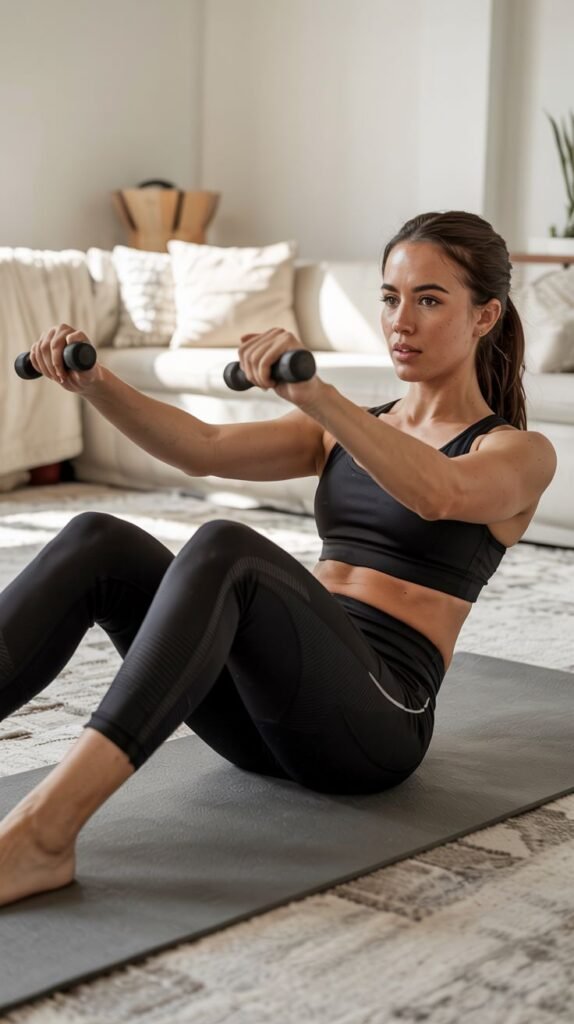
How to Stay Active Even with a Busy Schedule In today’s fast-paced world, many people struggle to find time for exercise. Between work, family, and other responsibilities, staying active often feels like an impossible task. Yet physical activity is not only about fitness it’s also essential for maintaining energy, improving mood, and preventing long-term health issues. Sarah, a young lawyer working 60-hour weeks, once thought she had no time for exercise. By incorporating short walks, stretching breaks, and bodyweight workouts into her day, she discovered that even small efforts added up to significant improvements in her health and productivity. This essay explores simple strategies on how to stay active even with a busy schedule, proving that movement is possible for everyone. One of the best ways to maintain activity is to make use of short, intentional breaks. Instead of scrolling on your phone during downtime, try a 10-minute walk, a quick yoga stretch, or climbing stairs. Research shows that even short bursts of movement, known as “exercise snacks,” can improve cardiovascular health and increase daily calorie burn. For professionals tied to a desk, standing up once every hour to stretch or walk around the office helps counteract the negative effects of sitting. Parents can stay active by playing with their children, while students can add simple stretches between study sessions. These daily health habits demonstrate that exercise doesn’t always require a full hour at the gym it’s about building movement into the day. Another effective strategy is multitasking physical activity with existing routines. For instance, commuting by walking or biking instead of driving adds natural exercise. For those working remotely, short bodyweight exercises such as squats, push-ups, and planks can be done during breaks without equipment. John, a busy father of two, began doing push-ups before his morning shower and squats while dinner was cooking. Within three months, he noticed improved strength and better energy levels. These simple routines show that weaving activity into daily life is one of the most practical better health tips for busy people. Planning ahead is also crucial for consistency. Scheduling workouts like appointments ensures they don’t get overlooked. Many successful professionals block out time for morning walks or evening stretches, treating them as non-negotiable. Technology can help too fitness apps, smartwatches, or even simple calendar reminders encourage accountability. Another approach is adopting active hobbies, such as gardening, dancing, or hiking, which provide exercise while also being enjoyable. These choices transform physical activity from a chore into a sustainable lifestyle. In conclusion, staying active with a busy schedule is not only possible but also essential for long-term well-being. From short activity breaks and multitasking exercises to scheduled routines and active hobbies, there are countless ways to stay moving. Real-life examples like Sarah and John show how small, consistent actions can create lasting results. By adopting these daily health habits and integrating movement naturally into life, even the busiest individuals can achieve better health, more energy, and improved focus without sacrificing precious time. References 1.  Harvard Health Publishing – Walking: Your Steps to Health 2. American Heart Association – Walking vs. Running for Heart Health 3. Mayo Clinic – Walking for Fitness 4. Johns Hopkins Medicine – Benefits of Running 5. Cleveland Clinic – Is Walking or Running Better? 6. CDC – Physical Activity Guidelines for Adults 7. NIH – Exercise and Cardiovascular Health 8. Better Health Channel – Walking for Good Health 9. World Health Organization – Physical Activity Recommendations 10. Sleep Foundation – Exercise and Energy

Fitness & Wellness

Simple Breathing Exercises to Reduce Stress

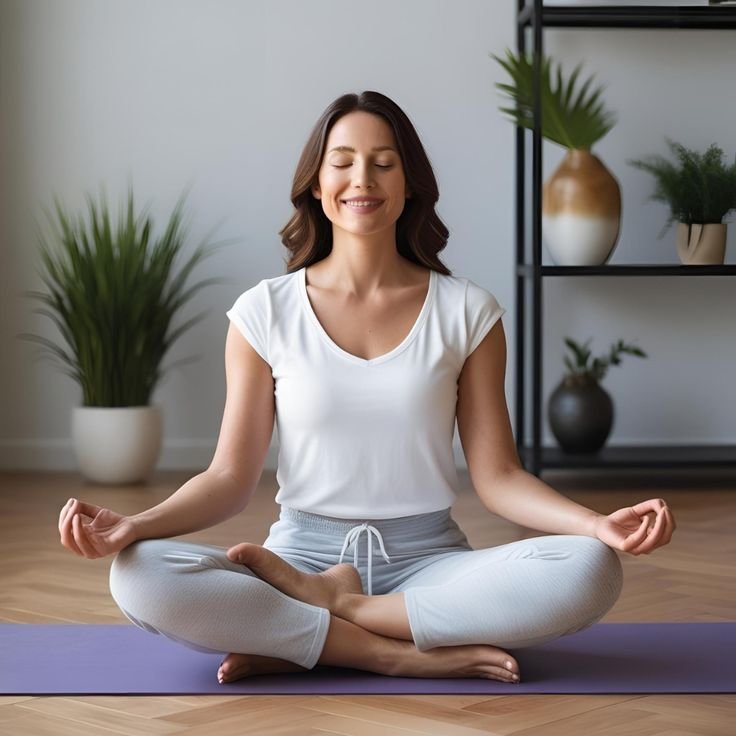
Simple Breathing Exercises to Reduce Stress In today’s fast-paced world, stress has become part of daily life, affecting focus, sleep, and overall health. While many people turn to coffee, screens, or even unhealthy snacks for relief, one of the most effective solutions is right under our noses: breathing. Deep, mindful breathing activates the body’s relaxation response, reducing stress and improving mental clarity. Consider James, a college student who often felt anxious before exams. After practicing a few simple breathing exercises, he noticed his heart rate slowing down and his focus improving. This essay explores simple breathing exercises to reduce stress, showing how small daily practices can support better mental and physical health. One effective method is deep belly breathing, also known as diaphragmatic breathing. To practice, sit comfortably, place one hand on your chest and the other on your belly, and inhale deeply so that the belly rises. Exhale slowly, letting the belly fall. This exercise calms the nervous system and is often used in meditation and yoga. Another popular technique is the 4-7-8 method, where you inhale through the nose for four seconds, hold your breath for seven seconds, and exhale through the mouth for eight seconds. Studies have shown that this technique reduces anxiety, lowers blood pressure, and promotes better sleep, making it one of the most practical daily health habits for stress relief. For quick stress management during a busy day, the box breathing method is highly effective. Often used by athletes and even the military, this method involves inhaling for four counts, holding for four, exhaling for four, and holding again for four before repeating. Sarah, a nurse working long shifts, used box breathing during short breaks and reported feeling calmer and more focused, even on hectic days. Another helpful exercise is alternate nostril breathing, a traditional practice in yoga that balances both sides of the brain and improves mental clarity. These methods don’t require equipment, can be done anywhere, and take only a few minutes, proving that stress relief can be both simple and accessible. The benefits of breathing exercises go beyond immediate relaxation. Research from Harvard Medical School and the National Institutes of Health confirms that regular practice helps regulate the body’s stress hormones, improves heart rate variability, and enhances emotional resilience. Incorporating breathing into daily routines such as practicing deep breaths before meetings, exams, or bedtime creates long-term improvements in mental well-being. For people dealing with chronic stress, pairing breathing exercises with other better health tips like regular movement, hydration, and mindfulness can create a strong foundation for overall wellness. In conclusion, breathing exercises are simple yet powerful tools for reducing stress and improving well-being. From deep belly breathing and the 4-7-8 method to box breathing and alternate nostril breathing, these techniques are accessible to anyone, regardless of age or lifestyle. Real-life stories like James’s exam success and Sarah’s workplace calm show that these practices work in everyday life. By making these daily health habits part of your routine, you can enjoy greater calm, focus, and resilience without needing pills, equipment, or large amounts of time. References

Fitness & Wellness

Walking vs. Running: Which Is Better for Your Health?

Walking vs. Running: Which Is Better for Your Health? When it comes to exercise, walking and running are two of the most popular choices, but many people wonder which is better for their health. Both activities require no equipment, can be done almost anywhere, and provide significant benefits for the body and mind. Choosing between the two often depends on personal goals, fitness levels, and lifestyle. Take Maria, a 42-year-old teacher who started walking daily to manage stress, and David, a 29-year-old runner training for a marathon. Both improved their health in different ways Maria saw better mood and reduced blood pressure, while David improved endurance and cardiovascular strength. This essay compares the benefits of walking vs. running and offers better health tips for choosing the right option. Walking is often seen as a gentler form of exercise, making it ideal for beginners, older adults, or those recovering from injuries. Studies show that brisk walking for at least 30 minutes a day can reduce the risk of heart disease, improve bone strength, and support weight management. It’s also low-impact, meaning it places less stress on the joints compared to running. For busy professionals, walking during lunch breaks or after dinner can easily become part of their daily health habits without requiring extra preparation. In fact, Harvard research highlights that consistent walking lowers the risk of high blood pressure, diabetes, and even depression. Running, on the other hand, provides a more intense cardiovascular workout. It burns more calories per minute than walking, making it a time-efficient option for weight loss and fitness improvements. Runners often experience increased lung capacity, stronger bones, and improved endurance. However, because it’s high-impact, running can increase the risk of joint injuries if not balanced with proper technique and recovery. David’s story demonstrates this: while he gained stamina through regular running, he had to manage occasional knee discomfort by adding stretching and strength training. For those with limited time, running may deliver quicker fitness results compared to walking. Interestingly, both walking and running share similar long-term health benefits. Research published by the American Heart Association suggests that when matched for energy expenditure, walking and running reduce the risk of heart disease, high cholesterol, and type 2 diabetes at similar levels. The choice, therefore, depends more on preference, consistency, and sustainability. Maria’s success with walking shows that even gentle exercise can transform health, while David’s journey highlights how running supports performance goals. The key takeaway is that staying active whether through walking or running matters more than the activity itself. In conclusion, the question of walking vs. running doesn’t have a one-size-fits-all answer. Walking is low-impact and accessible, while running is higher intensity and time-efficient. Both offer powerful health benefits and can be adapted to individual needs. Real-life stories and research confirm that the best exercise is the one you enjoy and can sustain consistently. By incorporating either walking or running into your daily health habits, you can improve physical fitness, mental well-being, and long-term health. References

Fitness & Wellness

Best Stretches for People Who Sit All Day at Work

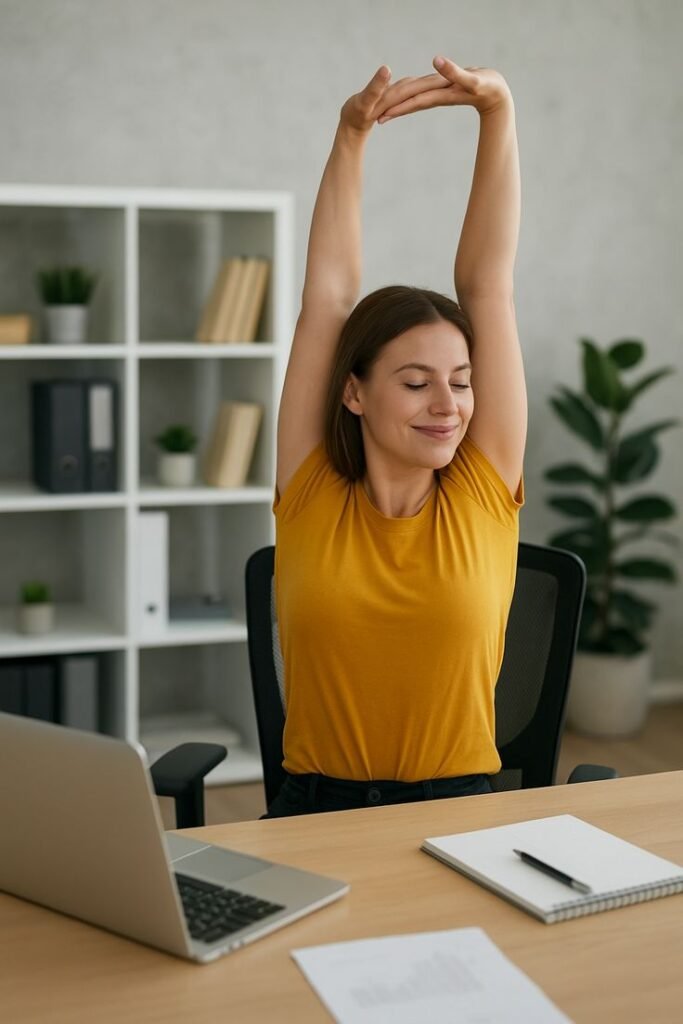
Best Stretches for People Who Sit All Day at Work Sitting for long hours has become a common part of modern life, especially for office workers, students, and remote employees. While sitting may seem harmless, research shows it can lead to poor posture, stiff muscles, back pain, and even long-term health problems if not addressed. Take Emily, a 29-year-old graphic designer, who spent over eight hours daily at her desk and began experiencing chronic lower back pain. After incorporating simple stretches into her day, she noticed improved flexibility, reduced pain, and better focus at work. This essay explores some of the best stretches for people who sit all day at work, showing how small daily health habits can make a big difference. One of the most effective stretches for seated workers is the hip flexor stretch. Sitting tightens the hip muscles, often leading to discomfort in the lower back. Standing and gently lunging forward with one leg while keeping the other behind helps open the hips and counteracts prolonged sitting. Another key stretch is the chest opener, which involves clasping the hands behind the back and lifting slightly to release tension caused by hunching over computers. Experts at Harvard Health confirm that regularly stretching these areas improves circulation and posture. For quick relief at the desk, a seated spinal twist can also be done without leaving the chair simply sitting tall, placing one hand on the opposite knee, and gently twisting the torso. Targeting the neck and shoulders is equally important since screen time often causes tightness in these areas. A neck stretch, tilting the head slowly from side to side, relieves stiffness and reduces tension headaches. The shoulder roll, rotating the shoulders backward and forward, loosens muscles that often become tight from typing. Case studies show that just two to three minutes of these movements every hour can prevent the “tech neck” posture that many office workers develop. Adding a hamstring stretch, such as reaching toward the toes while standing, can also reduce pressure on the lower back and increase flexibility. These stretches not only improve comfort but also support long-term spinal health. For those seeking a short daily routine, combining three to five stretches in a sequence is highly effective. For example, Emily adopted a mid-morning and mid-afternoon stretch break that included hip flexor stretches, chest openers, spinal twists, and hamstring stretches. Within weeks, she reported fewer backaches and more energy during her workday. Workplaces are beginning to encourage such habits; some companies even provide stretch breaks as part of wellness programs. These better health tips show that simple, no-cost strategies can improve productivity and overall well-being. In conclusion, sitting all day doesn’t have to harm your body if you make stretching a regular part of your routine. From hip flexor stretches and chest openers to neck rolls and hamstring stretches, these movements counteract the negative effects of prolonged sitting. Real-life stories like Emily’s highlight how effective these daily health habits can be. By taking just a few minutes each day to stretch, workers can improve flexibility, reduce pain, and boost focus, proving that small, consistent actions lead to better long-term health. References 1. Harvard Health Publishing – Stretching: Focus on Flexibility 2. Mayo Clinic – Office Stretches to Prevent Stiffness 3. Cleveland Clinic – Why Stretching Is Important 4. American Heart Association – Move More, Sit Less 5. CDC – Physical Activity and Sedentary Behavior 6. Johns Hopkins Medicine – Neck and Back Pain Prevention 7. NIH – Benefits of Stretching Exercises 8. Better Health Channel – Sitting and Your Health 9. World Health Organization – Physical Activity Recommendations 10. Sleep Foundation – Movement and Energy Levels

Fitness & Wellness

How to Start Exercising at Home Without Equipment

How to Start Exercising at Home Without Equipment Exercising at home has become more popular than ever, not only because it saves time and money but also because it allows flexibility in busy lives. Many people assume that they need expensive gym memberships or heavy equipment to get fit, but the truth is that bodyweight exercises can be just as effective for building strength, improving flexibility, and boosting cardiovascular health. Take Mark, a 38-year-old software engineer who struggled with weight gain during long hours of remote work. He started a simple home routine push-ups, squats, and planks and within three months, he noticed improved energy, better posture, and weight loss without stepping into a gym. This essay explores how anyone can begin exercising at home without equipment by focusing on consistency, creativity, and daily health habits. The first step in creating a home exercise routine is starting small and setting realistic goals. Beginners often give up when they attempt advanced workouts too quickly, but building strength and endurance gradually ensures long-term success. A simple 20-minute session that combines push-ups, squats, lunges, and planks is enough to engage major muscle groups. Over time, you can add variations like incline push-ups, jump squats, or side planks for progression. Research confirms that bodyweight exercises not only improve muscle tone but also support joint health and bone strength. For beginners, even ten minutes of daily movement can make a noticeable difference in energy levels, mood, and productivity, making it one of the best better health tips to start with. Another essential element is creating a supportive environment at home. Setting aside a small space for workouts helps reinforce consistency, whether it’s a corner of the living room, bedroom, or backyard. Many people, like Sarah a busy mother of two find success by exercising in short bursts throughout the day. She started doing squats while waiting for her coffee to brew and stretching while watching TV. Small habits like these demonstrate that exercise doesn’t always require a dedicated gym session; rather, weaving movement into your daily routine builds momentum. Additionally, free online resources, such as guided workout videos or fitness apps, provide structure and motivation without extra costs. These tools make exercising at home more engaging and adaptable to all fitness levels. Consistency is the backbone of fitness progress, and tracking small wins can help build confidence. Keeping a journal or using fitness apps to log repetitions, sets, and time spent exercising motivates people to stay on track. John, who had never been consistent with fitness, began noting his plank times daily; seeing his improvement from 20 seconds to two minutes in just weeks encouraged him to keep going. To avoid burnout, it’s important to combine variety alternating between strength, cardio, and flexibility exercises. Jumping jacks, burpees, mountain climbers, and yoga stretches are all equipment-free options that keep workouts fun and effective. Experts also recommend scheduling workouts at the same time each day to establish rhythm and routine. In conclusion, starting an exercise routine at home without equipment is not only simple but also highly effective when approached with the right mindset. From push-ups and squats to stretching and short cardio bursts, these daily health habits can transform energy, mood, and long-term fitness. Real-life examples like Mark, Sarah, and John show that progress doesn’t require a gym just consistency, creativity, and determination. By adopting these better health tips, anyone can improve their physical and mental well-being, proving that fitness is possible anywhere, anytime, without expensive gear. Reference

Fitness & Wellness

How to Stay Active Even with a Busy Schedule

How to Stay Active Even with a Busy Schedule In today’s fast-paced world, many people struggle to find time for exercise. Between work, family, and other responsibilities, staying active often feels like an impossible task. Yet physical activity is not only about fitness it’s also essential for maintaining energy, improving mood, and preventing long-term health issues. Sarah, a young lawyer working 60-hour weeks, once thought she had no time for exercise. By incorporating short walks, stretching breaks, and bodyweight workouts into her day, she discovered that even small efforts added up to significant improvements in her health and productivity. This essay explores simple strategies on how to stay active even with a busy schedule, proving that movement is possible for everyone. One of the best ways to maintain activity is to make use of short, intentional breaks. Instead of scrolling on your phone during downtime, try a 10-minute walk, a quick yoga stretch, or climbing stairs. Research shows that even short bursts of movement, known as “exercise snacks,” can improve cardiovascular health and increase daily calorie burn. For professionals tied to a desk, standing up once every hour to stretch or walk around the office helps counteract the negative effects of sitting. Parents can stay active by playing with their children, while students can add simple stretches between study sessions. These daily health habits demonstrate that exercise doesn’t always require a full hour at the gym it’s about building movement into the day. Another effective strategy is multitasking physical activity with existing routines. For instance, commuting by walking or biking instead of driving adds natural exercise. For those working remotely, short bodyweight exercises such as squats, push-ups, and planks can be done during breaks without equipment. John, a busy father of two, began doing push-ups before his morning shower and squats while dinner was cooking. Within three months, he noticed improved strength and better energy levels. These simple routines show that weaving activity into daily life is one of the most practical better health tips for busy people. Planning ahead is also crucial for consistency. Scheduling workouts like appointments ensures they don’t get overlooked. Many successful professionals block out time for morning walks or evening stretches, treating them as non-negotiable. Technology can help too fitness apps, smartwatches, or even simple calendar reminders encourage accountability. Another approach is adopting active hobbies, such as gardening, dancing, or hiking, which provide exercise while also being enjoyable. These choices transform physical activity from a chore into a sustainable lifestyle. In conclusion, staying active with a busy schedule is not only possible but also essential for long-term well-being. From short activity breaks and multitasking exercises to scheduled routines and active hobbies, there are countless ways to stay moving. Real-life examples like Sarah and John show how small, consistent actions can create lasting results. By adopting these daily health habits and integrating movement naturally into life, even the busiest individuals can achieve better health, more energy, and improved focus without sacrificing precious time. References 1.  Harvard Health Publishing – Walking: Your Steps to Health 2. American Heart Association – Walking vs. Running for Heart Health 3. Mayo Clinic – Walking for Fitness 4. Johns Hopkins Medicine – Benefits of Running 5. Cleveland Clinic – Is Walking or Running Better? 6. CDC – Physical Activity Guidelines for Adults 7. NIH – Exercise and Cardiovascular Health 8. Better Health Channel – Walking for Good Health 9. World Health Organization – Physical Activity Recommendations 10. Sleep Foundation – Exercise and Energy
Scroll to Top