engabouya.com

Mental Health & Self-Care

Mental Health & Self-Care

Digital Detox: How to Reduce Screen Time for Better Well-being

Digital Detox: How to Reduce Screen Time for Better Well-being Screens dominate modern life, from phones and laptops to TVs and tablets. While technology brings convenience, constant screen exposure can lead to fatigue, stress, and disrupted sleep. A digital detox, or intentionally reducing screen time, allows the brain and body to rest, improving overall well-being. Take Alex, a marketing professional who spent over 10 hours daily on screens. He struggled with headaches, poor focus, and restless sleep until he committed to a digital detox routine. By setting limits and practicing mindful breaks, he regained energy and balance. This essay explores how to reduce screen time for better well-being, providing practical daily health habits and better health tips for digital balance. The first step in a digital detox is awareness and boundaries. Many people underestimate how much time they spend on screens. Tracking usage with apps or built-in screen-time monitors creates accountability and helps identify habits to change. Alex, for instance, realized most of his screen time came from late-night scrolling. By setting a “tech curfew,” he improved sleep quality and began feeling more refreshed in the morning. Small adjustments, like limiting screen use before bed, immediately benefit mental and physical health. Another strategy is replacing screen time with restorative activities. Instead of scrolling through social media, individuals can spend time reading, journaling, exercising, or connecting face-to-face with loved ones. Studies show that reducing screen use, especially on social platforms, improves mood and reduces anxiety. Nature walks, hobbies like cooking or painting, or even mindful practices such as meditation can fill the time once consumed by screens. These daily health habits help shift focus from passive digital consumption to active, fulfilling experiences. Creating tech-free zones is another powerful tip. Keeping phones away from the dining table or bedroom reduces distractions and promotes better rest. Blue light from screens disrupts melatonin production, which is vital for quality sleep. By replacing bedtime scrolling with calming rituals such as reading or listening to soft music, the body transitions more naturally into restorative rest. Over time, these better health tips lead to improved energy, focus, and emotional stability. In conclusion, a digital detox is not about eliminating technology but using it more mindfully to protect health and well-being. Alex’s story shows that even small, intentional changes like setting screen limits, creating tech-free zones, and replacing digital habits with meaningful activities can transform mental clarity and physical health. By adopting these daily health habits, anyone can reduce screen time, improve focus, and build a healthier, more balanced lifestyle. References


Mental Health & Self-Care

How Gratitude Can Improve Mental Health

How Gratitude Can Improve Mental Health In today’s busy and often stressful world, many people struggle to maintain emotional balance. Gratitude the practice of acknowledging and appreciating the positives in life has emerged as a powerful tool to enhance mental health naturally. Unlike quick fixes, gratitude builds resilience and creates lasting happiness. Consider Maria, a corporate manager who frequently felt overwhelmed by deadlines and pressure. After starting a gratitude journal, where she wrote down three things she was thankful for each night, she noticed reduced stress, better sleep, and improved relationships. This essay explores how gratitude can improve mental health, highlighting daily health habits and better health tips that anyone can adopt. Gratitude directly impacts mental well-being by shifting focus from problems to positives. Psychologists note that people who regularly practice gratitude experience lower levels of depression and anxiety. Simple practices such as writing thank-you notes, reflecting on daily blessings, or verbally expressing appreciation to others can strengthen optimism. For Maria, listing even small joys—like a supportive coworker or a relaxing evening walk helped her develop a more positive perspective. Over time, this mental shift reduced her stress and improved her emotional resilience. Beyond mood improvement, gratitude also strengthens relationships and social connections. When people express appreciation to loved ones, it nurtures trust and deeper bonds. Stronger social ties are strongly linked to better mental health and longer life expectancy. Research from the Greater Good Science Center at UC Berkeley shows that gratitude activates brain regions related to empathy and bonding, creating a sense of belonging. For individuals like Maria, expressing thanks to colleagues not only improved workplace relationships but also reduced feelings of isolation and burnout. Gratitude practices also improve physical health, which in turn supports mental clarity. Studies show that grateful individuals are more likely to engage in daily health habits such as regular exercise, balanced eating, and quality sleep. Gratitude lowers stress hormones like cortisol and supports healthy heart function. For example, Maria began sleeping better after nightly gratitude journaling, which allowed her body to recover and her mind to reset. This illustrates how a single better health tip gratitude creates a ripple effect across all areas of health. In conclusion, gratitude improves mental health by promoting positivity, strengthening relationships, and supporting healthier routines. Maria’s transformation demonstrates how small daily actions can yield big emotional benefits. By adopting gratitude practices such as journaling, mindful reflection, or expressing thanks to others, anyone can boost resilience and well-being. Gratitude is not just a feel-good habit; it is a proven, powerful tool for building a healthier and more fulfilling life. References

Mental Health & Self-Care

10 Ways to Boost Your Mood Naturally

10 Ways to Boost Your Mood Naturally Everyone experiences days when their mood dips due to stress, fatigue, or life challenges. While quick fixes like sugary snacks or endless scrolling may provide temporary comfort, they often leave us feeling worse. The good news is that there are safe, effective, and natural ways to uplift your mood and improve emotional well-being. Take Daniel, a teacher who struggled with daily stress and irritability. Instead of relying on stimulants, he tried incorporating small lifestyle changes like daily walks, mindful breathing, and gratitude journaling which significantly boosted his energy and happiness. This essay explores 10 ways to boost your mood naturally, offering daily health habits and better health tips for long-term balance. One of the simplest strategies is physical activity. Exercise triggers the release of endorphins chemicals that naturally improve mood and reduce stress. Even 20 minutes of walking or stretching can make a noticeable difference. Pairing this with balanced nutrition enhances results: foods rich in omega-3 fatty acids, fruits, and vegetables support brain health and regulate mood. Daniel, for example, replaced processed snacks with nuts and fresh fruit during work breaks and noticed better focus alongside improved emotional stability. Another natural way to elevate mood is practicing mindfulness and relaxation techniques. Simple activities like deep breathing, meditation, or even spending a few quiet minutes in nature can reset the mind and reduce anxiety. Gratitude journaling also shifts attention from problems to positives, fostering optimism and resilience. Social connections are equally powerful. Studies show that spending time with loved ones or engaging in meaningful conversations can release oxytocin the “bonding hormone” that boosts feelings of happiness. Creative outlets also play a role in mood regulation. Activities such as painting, writing, or listening to uplifting music allow self-expression and reduce mental clutter. Additionally, prioritizing quality sleep ensures the brain and body have enough rest to function optimally. Poor sleep often leads to irritability and low energy, while consistent rest supports emotional balance. Combining these habits creates a strong foundation for natural mood improvement, without the need for artificial stimulants. In conclusion, the 10 ways to boost your mood naturally include exercise, balanced nutrition, mindfulness, gratitude, strong social connections, creativity, and adequate rest, among others. Daniel’s transformation demonstrates that small, consistent lifestyle adjustments can result in significant emotional benefits. By integrating these daily health habits and following these better health tips, anyone can create a natural, sustainable path to greater happiness and resilience. References

Mental Health & Self-Care

Journaling for Mental Clarity: A Beginner’s Guide

Journaling for Mental Clarity: A Beginner’s Guide In a world filled with constant information, deadlines, and distractions, many people feel mentally cluttered and emotionally drained. Journaling a simple practice of writing down thoughts and experiences offers a powerful way to organize the mind, reduce stress, and improve focus. Take Emma, a college student who often felt overwhelmed by exams and social pressures. By setting aside 10 minutes each night to write in her journal, she discovered clarity in her thoughts, processed emotions more effectively, and even slept better. This essay explores journaling for mental clarity, providing daily health habits and better health tips that make journaling accessible for beginners. At its core, journaling provides a safe space to reflect without judgment. Writing down worries, to-do lists, or emotional struggles helps release mental clutter, creating space for calm thinking. For beginners, starting small is key. A simple prompt like “What three things am I grateful for today?” can ease the transition into daily writing. Studies suggest that expressive writing reduces stress and improves mental health by lowering cortisol levels. Emma began with short gratitude notes, and over time, she noticed improved focus and greater resilience in handling challenges. There are many approaches to journaling, making it adaptable to different lifestyles. Some people prefer gratitude journaling, while others benefit from bullet journaling to track habits and goals. Reflective journaling allows individuals to explore deeper emotions, while free-writing encourages creativity without rules. Choosing the right style depends on personal needs and goals, but all forms support mental clarity and self-awareness. These daily health habits not only organize thoughts but also reinforce a sense of control in busy lives. Journaling also improves emotional regulation and problem-solving skills. By writing down stressful events, individuals gain perspective and often discover solutions they hadn’t noticed before. For instance, Emma used journaling to analyze her study habits, realizing late-night cramming increased her anxiety. By identifying this pattern, she adjusted her schedule and saw both her academic performance and confidence improve. This illustrates how even beginners can benefit from simple, consistent journaling practices. In conclusion, journaling for mental clarity is an accessible and effective practice that fosters focus, resilience, and emotional balance. Beginners can start with just a few minutes a day, using gratitude, prompts, or free writing to clear mental clutter. Emma’s experience shows how journaling transforms stress into self-discovery and personal growth. By adopting this better health tip, anyone can nurture mental clarity, reduce stress, and create a healthier, more mindful life. References

Mental Health & Self-Care

How to Practice Mindfulness in 5 Minutes a Day

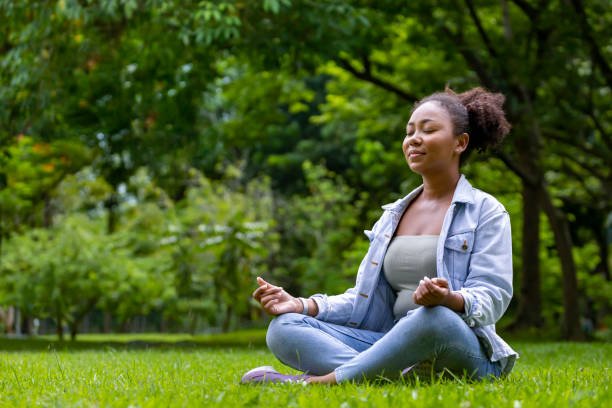
How to Practice Mindfulness in 5 Minutes a Day In today’s fast-paced world, many people feel overwhelmed by constant demands, digital distractions, and racing thoughts. Mindfulness being fully present in the moment offers a simple yet powerful way to reduce stress and restore balance. The good news is that mindfulness doesn’t require hours of meditation or complex training; just five minutes a day can create lasting benefits. Consider James, a busy entrepreneur who often felt mentally exhausted by noon. After starting a short daily mindfulness routine, he noticed improved focus, calmer moods, and better decision-making. This essay explores how to practice mindfulness in 5 minutes a day, offering daily health habits and better health tips that anyone can adopt for improved well-being. The practice begins with mindful breathing. Setting aside just five minutes to focus on slow, intentional breaths allows the body to release tension and the mind to quiet down. Sit comfortably, close your eyes, and inhale deeply through the nose, then exhale slowly through the mouth. Even a short breathing session signals the nervous system to relax, lowering stress hormones. Research has shown that mindful breathing can reduce anxiety and improve clarity, making it an ideal starting point for busy people like James. Another effective way to integrate mindfulness is through body scans and gentle awareness exercises. Spend a minute noticing sensations in your body from your feet to your head without judgment. This habit builds self-awareness, helping you catch early signs of stress or fatigue before they escalate. Similarly, mindful listening or eating can be incorporated into everyday activities. For example, while having morning tea, focus entirely on the taste, smell, and warmth, instead of multitasking with your phone. These daily health habits anchor attention to the present moment, offering calm in otherwise chaotic days. Mindfulness also enhances emotional well-being. By observing thoughts and feelings without trying to change them, people develop resilience and emotional balance. For instance, instead of reacting immediately to workplace frustration, James began pausing to notice his feelings, which prevented impulsive decisions and improved relationships. These small, consistent practices demonstrate that mindfulness is less about time commitment and more about intentional awareness. Five minutes daily can provide a sense of inner space and clarity that supports both mental and physical health. In conclusion, practicing mindfulness in just five minutes a day is a realistic and powerful way to manage stress, improve focus, and enhance emotional health. Through mindful breathing, body awareness, and present-moment living, anyone can integrate mindfulness into daily routines. James’s transformation proves that even small habits can have profound effects. By committing to this better health tip, individuals can cultivate peace, clarity, and resilience essential foundations for a healthier, more fulfilling life. References

Scroll to Top