engabouya.com

Nutrition & Healthy Eating

Nutrition & Healthy Eating

Importance of Fiber in Your Diet and How to Get More

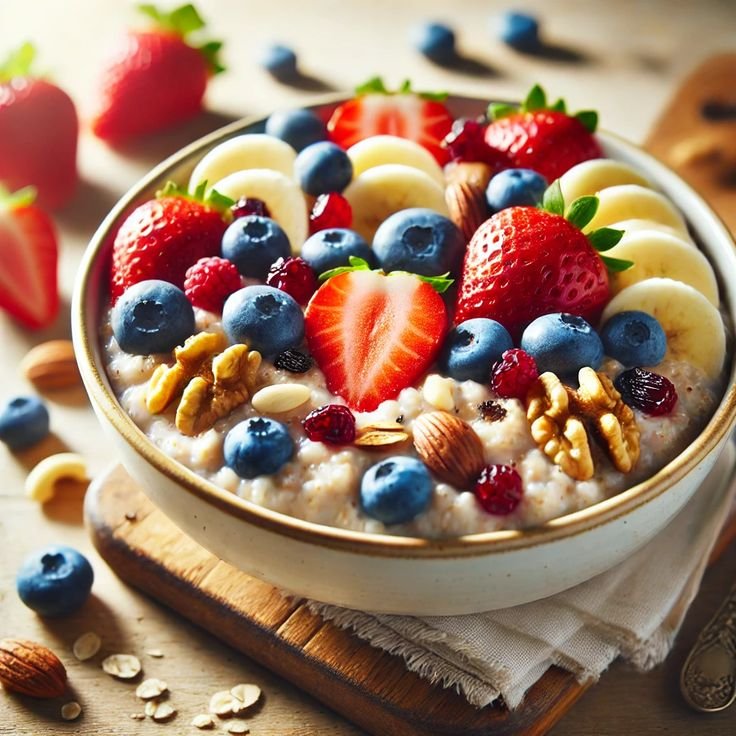
Importance of Fiber in Your Diet and How to Get More Fiber is one of the most underrated nutrients, yet it plays a powerful role in maintaining overall health. Unlike other food components, fiber isn’t digested by the body but instead helps regulate digestion, support weight management, and improve long-term wellness. Take Lisa, a busy entrepreneur who often struggled with bloating and irregular digestion. After her doctor encouraged her to increase her fiber intake, she began adding whole grains, beans, and vegetables into her meals. Within weeks, she noticed improved energy, better digestion, and even healthier skin. Stories like Lisa’s highlight the true importance of fiber in your diet and how simple changes can provide lasting benefits. One of fiber’s most well-known benefits is supporting digestive health. It adds bulk to stool, making bowel movements easier and reducing constipation. Soluble fiber, found in foods like oats and apples, absorbs water and helps soften stool, while insoluble fiber, found in vegetables and whole grains, keeps things moving through the digestive tract. Together, these forms of fiber improve gut health and may lower the risk of conditions like diverticulitis. Practicing daily health habits like eating more fiber-rich foods can be an effective way to maintain a healthy digestive system without relying on supplements. Fiber is also crucial for heart health and blood sugar control. Soluble fiber helps lower cholesterol by binding to it in the digestive system and removing it from the body. Meanwhile, fiber slows the absorption of sugar, preventing spikes in blood sugar levels. For people like Lisa, this meant more stable energy throughout the day without mid-afternoon crashes. Research shows that diets high in fiber are linked to lower risks of heart disease, type 2 diabetes, and obesity. These benefits make increasing fiber one of the simplest and most effective better health tips anyone can adopt. Another major advantage of fiber is its role in weight management and satiety. High-fiber foods are more filling and take longer to chew, which helps reduce overeating. A bowl of vegetable soup or a salad with beans and nuts keeps you satisfied longer than a processed snack, making it easier to manage calories naturally. Simple swaps like choosing whole wheat bread over white bread, or snacking on carrots instead of chips can significantly boost fiber intake while keeping meals enjoyable. These daily health habits prove that eating more fiber doesn’t have to feel restrictive. In conclusion, the importance of fiber in your diet cannot be overstated. From better digestion and heart health to weight management and balanced energy, fiber provides a wide range of benefits. Just as Lisa experienced, small daily adjustments like adding more fruits, vegetables, beans, and whole grains can make a big difference. By focusing on these better health tips, you can easily increase your fiber intake and enjoy long-term improvements in health and vitality. References

Nutrition & Healthy Eating

How to Cut Down on Sugar Without Feeling Deprived

How to Cut Down on Sugar Without Feeling Deprived Sugar is everywhere from breakfast cereals and energy bars to sauces and drinks. While a little sugar is fine, excessive intake is linked to weight gain, fatigue, and long-term health risks. Yet, the idea of cutting down on sugar often feels overwhelming because many people associate it with giving up their favorite foods. The truth is, with smart strategies, you can reduce sugar without feeling deprived. Take Daniel, a teacher who relied on sugary snacks to get through his day. Once he adopted small changes like switching soda for sparkling water and adding fruit for sweetness he discovered he had more energy and fewer cravings. His story highlights that making mindful adjustments is a daily health habit that improves well-being. The first step to cutting down on sugar is awareness. Reading food labels reveals how much hidden sugar is in common items, from flavored yogurts to condiments. Many foods marketed as “low-fat” or “healthy” actually contain added sugars. By choosing products with natural sweeteners or unsweetened versions, you can reduce sugar intake without sacrificing taste. For example, Daniel swapped flavored yogurt for plain Greek yogurt with fresh berries a small change that saved grams of sugar while still feeling satisfying. These mindful swaps are among the most effective better health tips for sustainable improvement. Next, focus on adding naturally sweet foods instead of relying on processed sugars. Fruits like bananas, apples, and dates not only satisfy cravings but also provide fiber, vitamins, and antioxidants. Smoothies, homemade trail mix, or baked apples with cinnamon can replace cookies or candy bars. Over time, your taste buds adjust, and the natural sweetness of whole foods becomes more enjoyable. Many people who cut back on added sugar notice reduced cravings within weeks, proving that daily health habits can re-train the palate and enhance long-term satisfaction. Another key strategy is balancing meals to stabilize blood sugar levels. Combining proteins, healthy fats, and fiber helps prevent energy crashes that often trigger sugar cravings. Instead of grabbing a candy bar in the afternoon, Daniel started keeping nuts, boiled eggs, or hummus with vegetables at hand. These choices gave him steady energy and reduced his reliance on sweets. Practicing portion control with desserts also helps enjoying a small piece of dark chocolate instead of a whole slice of cake provides enjoyment without overindulgence. In conclusion, cutting down on sugar doesn’t mean giving up enjoyment. By becoming label-savvy, incorporating naturally sweet foods, and balancing meals, you can reduce sugar intake while still feeling satisfied. Just like Daniel discovered, these better health tips improve energy, mood, and focus, making life more enjoyable not less. Over time, the habit of mindful sugar reduction becomes second nature, proving that healthy changes don’t have to feel restrictive. With these daily health habits, anyone can create a more balanced and sustainable approach to eating. References

Nutrition & Healthy Eating

Healthy Meal Prep Tips for Busy People

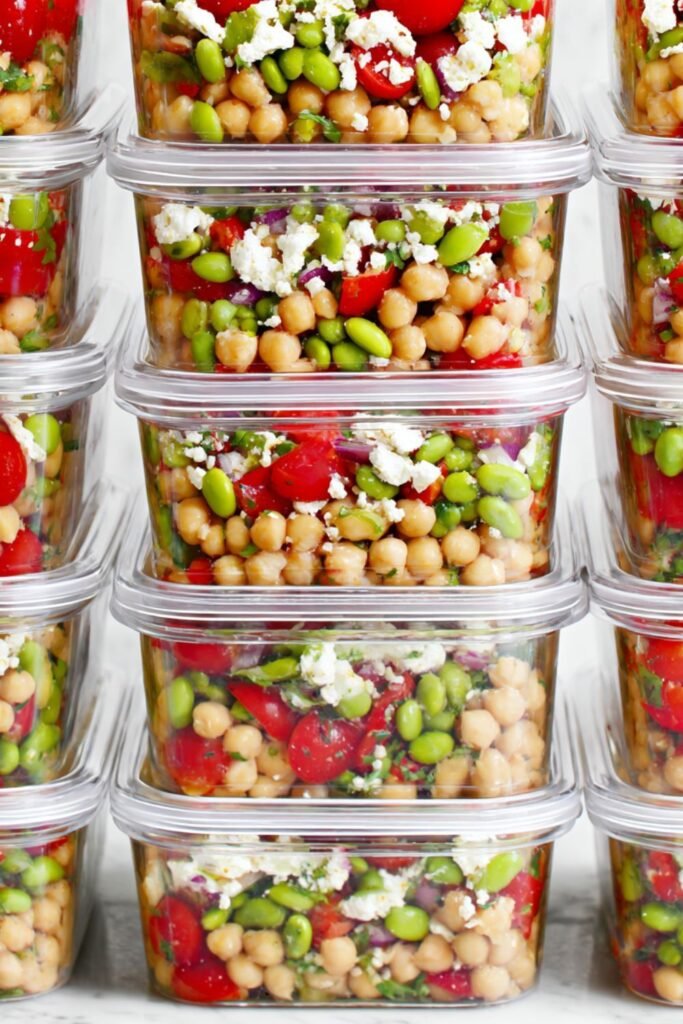
Healthy Meal Prep Tips for Busy People In today’s fast-paced world, many people struggle to eat healthy meals because of time constraints. Work, family, and responsibilities often push nutrition to the side, leading to reliance on takeout or processed foods. However, meal prepping the practice of preparing meals in advance offers a simple solution. Take James, a software engineer with little free time, who used to skip breakfast and rely on fast food for lunch. Once he committed to weekly meal prep, he not only saved money but also noticed better focus and higher energy. For busy individuals like James, adopting healthy meal prep tips is one of the most effective daily health habits for better well-being. The first key to successful meal prep is planning ahead. Start by mapping out meals for the week and making a shopping list. Choose recipes that include lean proteins, whole grains, and plenty of vegetables. Sticking to a plan helps prevent last-minute unhealthy choices and ensures balance. Many people find success with batch cooking—preparing larger portions of meals like stir-fries, soups, or grain bowls that can be portioned out for several days. This approach saves both time and stress, helping busy people stay consistent with better health tips. Another important strategy is keeping it simple. Meal prep doesn’t have to mean complicated gourmet dishes. Instead, focus on versatile ingredients like brown rice, roasted vegetables, chicken, beans, or tofu that can be mixed and matched throughout the week. For instance, James prepared grilled chicken on Sunday, which he used in salads, wraps, and stir-fries over the next few days. Storing meals in labeled, portion-sized containers also makes it easy to grab and go, reducing the temptation to choose fast food. These simple strategies turn meal prep into a sustainable lifestyle habit. Healthy meal prep is also about balance and variety. Including colorful fruits and vegetables ensures a wide range of nutrients, while adding healthy fats from avocados, nuts, or olive oil supports long-term energy. Snacks can be prepped, too cut vegetables, fruit slices, or homemade trail mix are great options to stay fueled during the day. Studies show that people who meal prep are more likely to maintain a balanced diet, avoid overeating, and even save money over time. By combining convenience with nutrition, daily health habits like meal prepping empower people to thrive despite busy schedules. In conclusion, meal prepping is a practical and powerful tool for busy people who want to eat healthier without sacrificing time. James’s experience proves that a little preparation can lead to better health, improved productivity, and reduced stress. By planning ahead, keeping recipes simple, and focusing on balance, anyone can turn meal prep into a weekly ritual that supports a healthier lifestyle. For those with packed schedules, these better health tips provide a path to sustained energy, wellness, and peace of mind. References

Nutrition & Healthy Eating

Benefits of Eating More Fruits and Vegetables Daily

Benefits of Eating More Fruits and Vegetables Daily When it comes to building a healthier lifestyle, one of the simplest and most powerful habits is eating more fruits and vegetables every day. These foods are packed with essential vitamins, minerals, antioxidants, and fiber that support the body in countless ways. Sarah, a college student who struggled with fatigue, noticed dramatic improvements in her energy after she replaced processed snacks with apples, carrots, and leafy greens. Such changes highlight how incorporating produce into daily meals can improve both short-term vitality and long-term wellness. Understanding the benefits of eating more fruits and vegetables daily is key to adopting better health tips that last a lifetime. First, fruits and vegetables play a critical role in disease prevention. Research shows that diets high in produce reduce the risk of chronic illnesses like heart disease, type 2 diabetes, and certain cancers. Antioxidants found in colorful fruits like blueberries, oranges, and bell peppers help fight inflammation and protect cells from damage. For instance, Sarah’s father, who added more leafy greens and berries into his meals, saw improvements in his blood pressure levels. These examples show how simple daily health habits can deliver long-lasting benefits for overall health. Another important benefit is better digestion and weight management. Fruits and vegetables are naturally high in fiber, which promotes regular bowel movements, supports gut health, and helps with satiety. Instead of overeating processed foods, people feel fuller and more satisfied after meals rich in produce. Swapping sugary snacks for fruit or replacing refined carbs with vegetables can help maintain a healthy weight without strict diets. This practical approach allows busy individuals to practice better health tips effortlessly in their everyday lives. Fruits and vegetables also boost mental and emotional well-being. Studies suggest that people who consume more fresh produce report higher levels of happiness, reduced stress, and better focus. The natural compounds in foods like bananas, spinach, and citrus fruits can enhance brain function and mood. Sarah noticed that when she chose a banana or smoothie instead of fast food during stressful exam weeks, she stayed calmer and more productive. This connection between diet and mood reinforces the value of daily health habits that extend beyond physical health. In conclusion, increasing fruit and vegetable intake is one of the simplest yet most impactful steps toward better health. From disease prevention and improved digestion to enhanced mood and mental clarity, the benefits are wide-reaching. Just as Sarah and her family experienced, small daily changes such as adding an extra serving of vegetables to dinner or snacking on fruit can lead to major improvements over time. By committing to these better health tips, anyone can build a stronger, healthier, and more energized life. References

Nutrition & Healthy Eating

How to Read Food Labels and Make Healthier Choices

How to Read Food Labels and Make Healthier Choices Walking through the grocery store can feel overwhelming when every package promises to be “healthy,” “low-fat,” or “natural.” But making informed food decisions starts with understanding nutrition labels. Learning to read food labels is one of the most important daily health habits because it helps you avoid hidden sugars, unhealthy fats, and excess sodium. For instance, Maria, a busy mom, often grabbed “low-fat” snacks for her kids, only to realize later that they were packed with sugar. Once she started reading labels carefully, she was able to make healthier choices that improved her family’s energy levels and overall well-being. The first step in decoding a food label is looking at the serving size. Many people assume the numbers apply to the whole package, but in reality, the nutrition facts are often based on smaller portions. A single bag of chips, for example, might contain three servings. This means that the calories, fats, and sodium you consume could be triple what the label initially suggests. Being mindful of serving size can prevent overeating and help maintain a balanced diet. This simple better health tip can make a huge difference in managing weight and improving nutrition. Next, pay close attention to the ingredients list. Items are listed in order of quantity, so if sugar or refined flour is one of the first ingredients, the product is less likely to support your health goals. Whole, simple ingredients like oats, nuts, or vegetables should be at the top of the list. Maria, for example, switched from sugary breakfast cereals to oatmeal after learning that cereals marketed as “whole grain” often contained more sugar than fiber. Choosing products with fewer processed ingredients is a practical way to build better health habits. Equally important are the nutrient categories: calories, total fats, sodium, fiber, and added sugars. Aim to limit saturated fats and sodium while increasing fiber intake for better digestion and heart health. The % Daily Value (%DV) can help you understand how much a nutrient contributes to your daily diet. For example, if a food has 20% DV of sodium per serving, it is considered high in sodium. Using these numbers as a guide helps you select foods that align with your health goals. Over time, label-reading becomes second nature and empowers you to shop smarter. In conclusion, knowing how to read food labels is a vital life skill that transforms the way you shop and eat. Just as Maria discovered, reading beyond marketing claims can help you make informed choices that improve both short-term energy and long-term health. By focusing on serving sizes, ingredient lists, and nutrient breakdowns, anyone can practice daily health habits that support a balanced diet. These better health tips don’t require drastic lifestyle changes just awareness and mindful decision-making at the store. References

Scroll to Top