First Aid Basics Everyone Should Know at Home
Accidents can happen at any time, and being prepared with basic first aid knowledge can make a critical difference. From minor cuts to unexpected falls, knowing how to respond before professional help arrives helps prevent complications and ensures safety. Consider David, a father of two, who once panicked when his child cut their finger while playing. After taking a community first aid class, David learned how to clean and bandage wounds, stay calm, and act quickly in emergencies. His story highlights the importance of understanding first aid basics everyone should know at home as part of healthy and safe living.
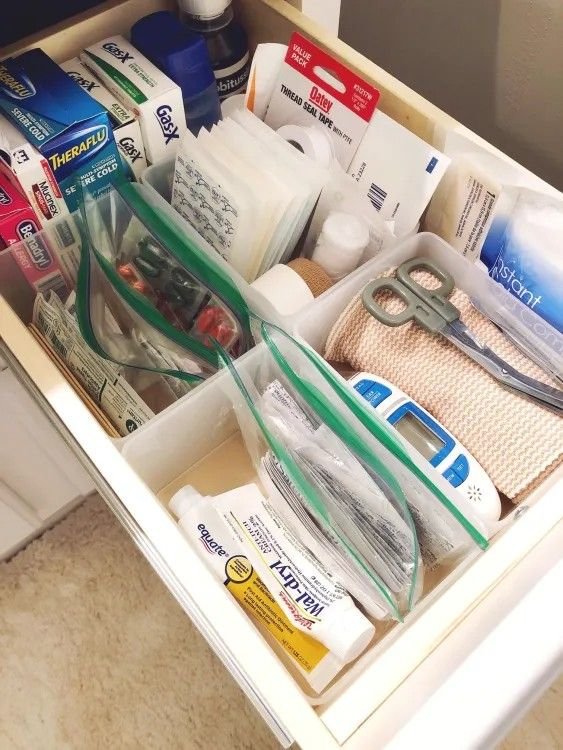
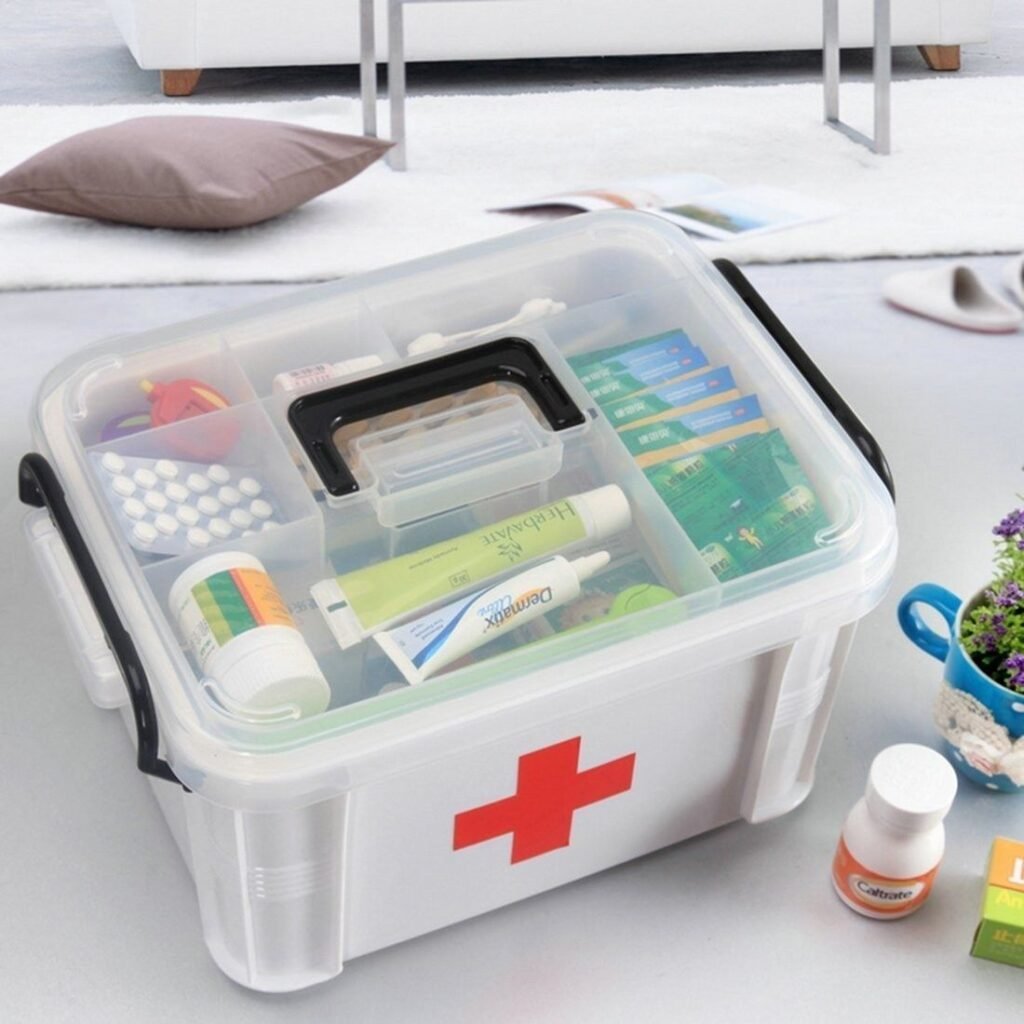
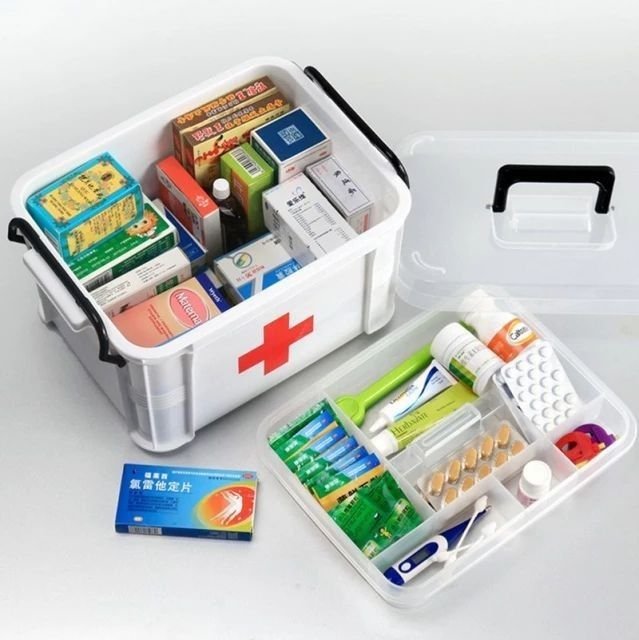
One of the most important first aid skills is treating cuts, scrapes, and minor burns. Cleaning wounds with clean water, applying an antiseptic, and covering them with sterile bandages reduces the risk of infection. For burns, cooling the skin with cool (not ice-cold) water for 10–20 minutes helps limit damage. Having a stocked first aid kit at home ensures that supplies like gauze, adhesive tape, and antiseptic wipes are always within reach. These daily health habits make handling common injuries less stressful and more effective.
Another vital area of first aid is knowing how to respond to choking, fainting, or breathing difficulties. Basic techniques like the Heimlich maneuver for choking or placing someone in the recovery position if they are unconscious but breathing can be lifesaving. Learning CPR (cardiopulmonary resuscitation) provides confidence in emergencies and may even save a loved one’s life before medical professionals arrive. David, for example, practiced CPR during training, giving him reassurance that he could act quickly if ever needed.