Simple Breathing Exercises to Reduce Stress
In today’s fast-paced world, stress has become part of daily life, affecting focus, sleep, and overall health. While many people turn to coffee, screens, or even unhealthy snacks for relief, one of the most effective solutions is right under our noses: breathing. Deep, mindful breathing activates the body’s relaxation response, reducing stress and improving mental clarity. Consider James, a college student who often felt anxious before exams. After practicing a few simple breathing exercises, he noticed his heart rate slowing down and his focus improving. This essay explores simple breathing exercises to reduce stress, showing how small daily practices can support better mental and physical health.
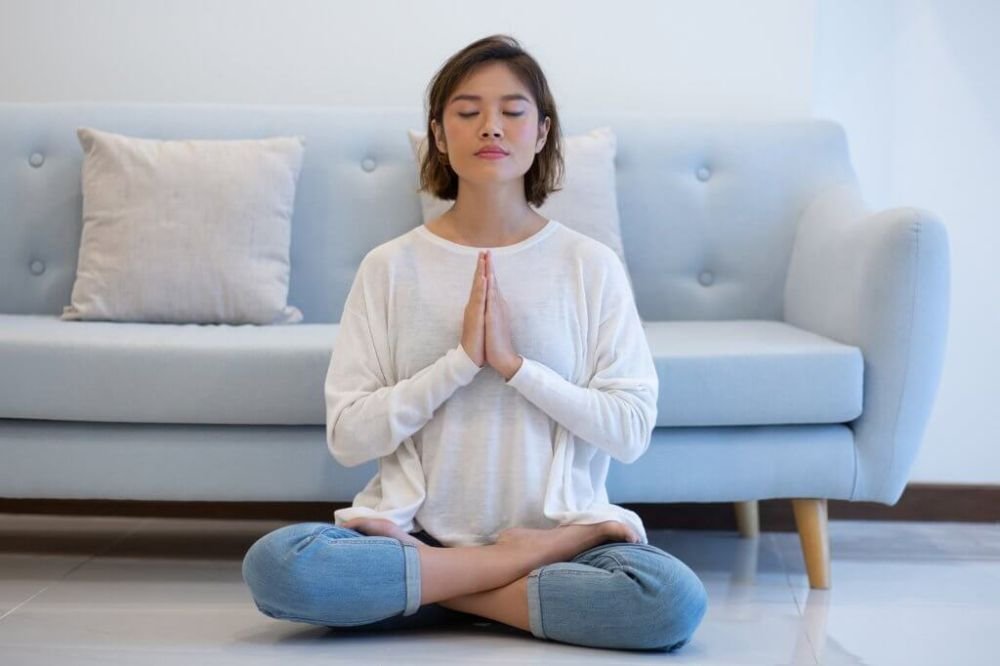
One effective method is deep belly breathing, also known as diaphragmatic breathing. To practice, sit comfortably, place one hand on your chest and the other on your belly, and inhale deeply so that the belly rises. Exhale slowly, letting the belly fall. This exercise calms the nervous system and is often used in meditation and yoga. Another popular technique is the 4-7-8 method, where you inhale through the nose for four seconds, hold your breath for seven seconds, and exhale through the mouth for eight seconds. Studies have shown that this technique reduces anxiety, lowers blood pressure, and promotes better sleep, making it one of the most practical daily health habits for stress relief.
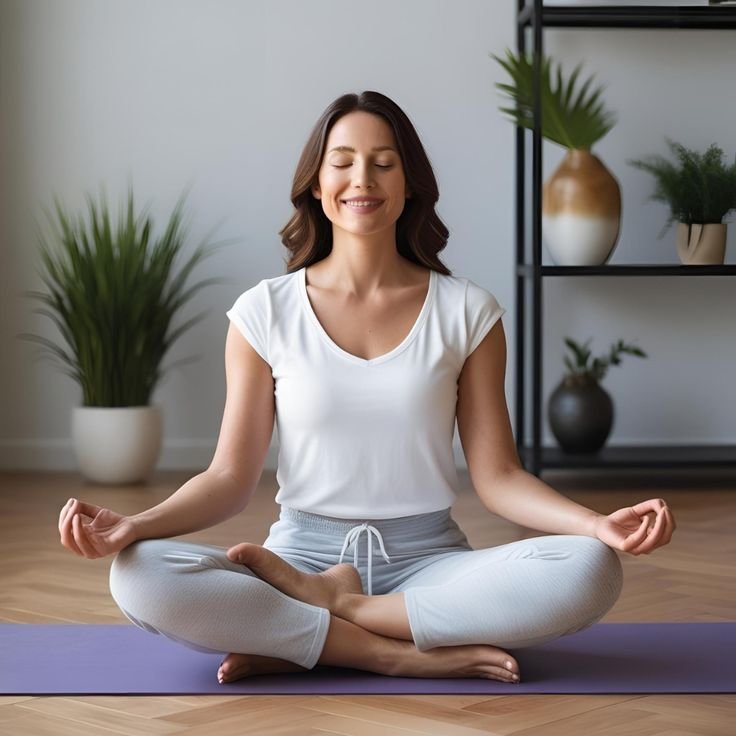
For quick stress management during a busy day, the box breathing method is highly effective. Often used by athletes and even the military, this method involves inhaling for four counts, holding for four, exhaling for four, and holding again for four before repeating. Sarah, a nurse working long shifts, used box breathing during short breaks and reported feeling calmer and more focused, even on hectic days. Another helpful exercise is alternate nostril breathing, a traditional practice in yoga that balances both sides of the brain and improves mental clarity. These methods don’t require equipment, can be done anywhere, and take only a few minutes, proving that stress relief can be both simple and accessible.
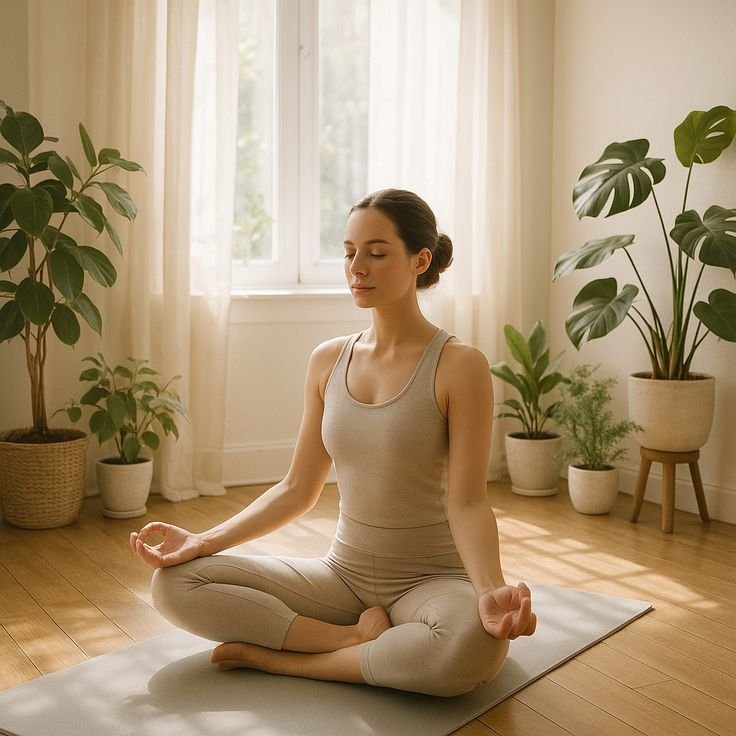
The benefits of breathing exercises go beyond immediate relaxation. Research from Harvard Medical School and the National Institutes of Health confirms that regular practice helps regulate the body’s stress hormones, improves heart rate variability, and enhances emotional resilience. Incorporating breathing into daily routines such as practicing deep breaths before meetings, exams, or bedtime creates long-term improvements in mental well-being. For people dealing with chronic stress, pairing breathing exercises with other better health tips like regular movement, hydration, and mindfulness can create a strong foundation for overall wellness.
In conclusion, breathing exercises are simple yet powerful tools for reducing stress and improving well-being. From deep belly breathing and the 4-7-8 method to box breathing and alternate nostril breathing, these techniques are accessible to anyone, regardless of age or lifestyle. Real-life stories like James’s exam success and Sarah’s workplace calm show that these practices work in everyday life. By making these daily health habits part of your routine, you can enjoy greater calm, focus, and resilience without needing pills, equipment, or large amounts of time.
References
- Harvard Health Publishing – 12 Tips for Better Sleep
- Mayo Clinic – Insomnia: Lifestyle and Home Remedies
- Sleep Foundation – Natural Sleep Aids: Lifestyle Changes
- Cleveland Clinic – How to Sleep Better Without Sleeping Pills
- Johns Hopkins Medicine – How to Get Better Sleep
- American Academy of Sleep Medicine – Healthy Sleep Habits
- NIH – Mind-Body Therapies for Insomnia
- Better Health Channel – Sleep Hygiene
- World Health Organization – Sleep and Health
- Mindful.org – Meditation for Better Sleep